News
A New Chapter for the Metropolitan Economic Development Commission: Composition, Priorities, and Economic Foresights
On Tuesday, June 9, 2026, the Economic Development Commission of the Gdańsk-Gdynia-Sopot Metropolitan Area (OMGGS) convened in a renewed composition and with a new operational framework. Representatives of local governments, science, and business have established a two-year work calendar centered around innovative analytical reports and close cross-sectoral collaboration.

pic. pixbay.com
Mission and the New Board The Commission's mission is to monitor and resolve economic development issues at the metropolitan level and implement the OMGGS strategy. The June meeting was attended by Sylwia Badowska, Piotr Grzelak, Patryk Jar, Mariusz Miler, Paweł Orłowski, Justyna Patyk, Aleksandra Przytarska, Katarzyna Witt, and OMGGS coordinators Tomasz Nadolny and Dominik Gorski.
Pending approval from the OMGGS Board, the new composition of the Commission will include: Tomasz Augustyniak (Deputy Mayor of Gdynia), Sylwia Badowska (Sopot City Hall), Piotr Grzelak (Deputy Mayor of Gdańsk), Rafał Hyrzyński (Energa), Patryk Jar (Kainos), Mariusz Miler (Gdańsk University of Technology), Paweł Orłowski (InvestGda), Michał Pasieczny (Mayor of Rumia), Justyna Patyk (Invest in Gdynia), Maciej Romanow (Energa), and Alina Skorb (Energa).
The Commission will be led by a four-person presidium, with Patryk Jar serving as Chairman, alongside Vice-Chairpersons Sylwia Badowska, Piotr Grzelak, and Mariusz Miler.
Foresights and a Two-Year Calendar The Commission has determined the thematic scope and meeting calendar for the next two years. The new model relies on cyclically (3-4 times a year) creating "foresights" – in-depth reports on key economic challenges, developed in collaboration with external experts. The goal is to translate knowledge into practical recommendations that will aid in launching new projects in the region.
Recommendations will follow two tracks:
- Large, joint tasks dedicated to the entire Metropolis.
- A collection of good practices for voluntary adoption and implementation in local municipal policies.
The assumption is to lead by example – the success of the first local governments is meant to inspire others to adopt innovations. The reactivated "Think Tank Metropolia" will be responsible for the public presentation of these findings to residents and journalists.
In addition to the reports, the Commission's regular activities will include organizing consultation meetings, issuing recommendations for the Council, hosting conferences and training sessions, reviewing metropolitan projects, exchanging good practices, and engaging business, scientific, NGO, and local government partners.
2026 Priority: The Labor Market in the Face of Offshore Development During the discussions, it was agreed that the most urgent need is to prepare the first foresight, which will combine issues of demographics, social changes, skills gaps, and artificial intelligence (AI) with the energy transition and the development of the offshore wind industry.
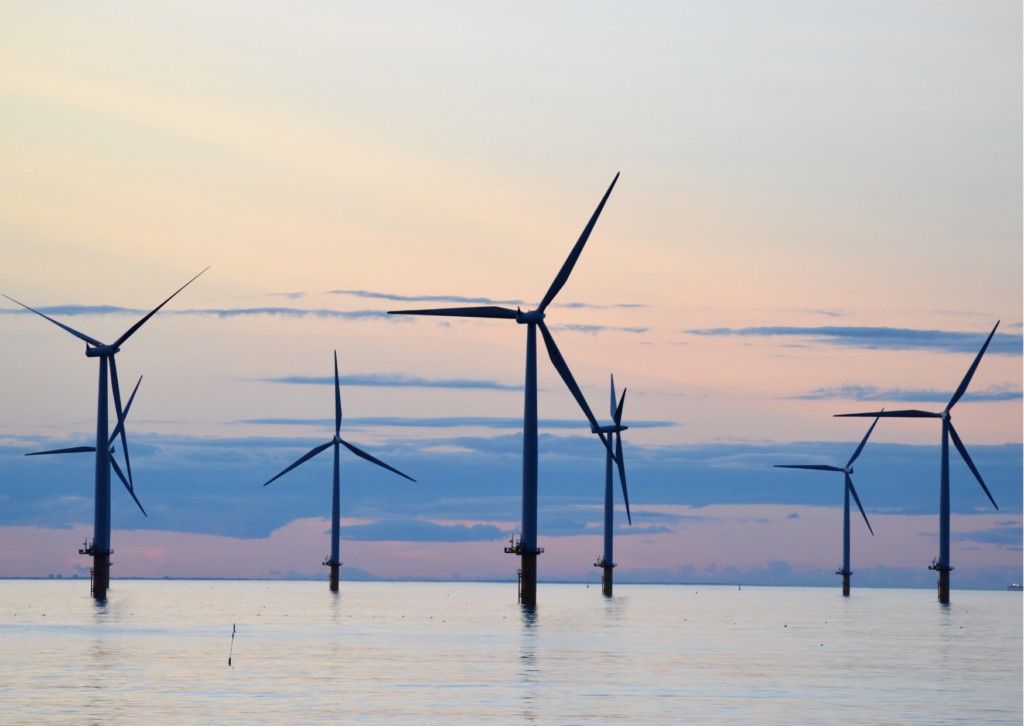
pic. offshore wind farm/canva
Staff shortages are currently a critical barrier to regional development. Participants pointed out the deficit not only of "white-collar" workers but, above all, of graduates from vocational and technical schools. In the face of massive infrastructure investments, the Metropolis has very little time to secure the participation of local businesses and workers (so-called local content) in these projects. The first comprehensive study on this topic is expected to be ready by the end of September or early October 2026.
Health, Investment Areas, and SME Support The Commission also defined other key thematic areas to be addressed in the near future:
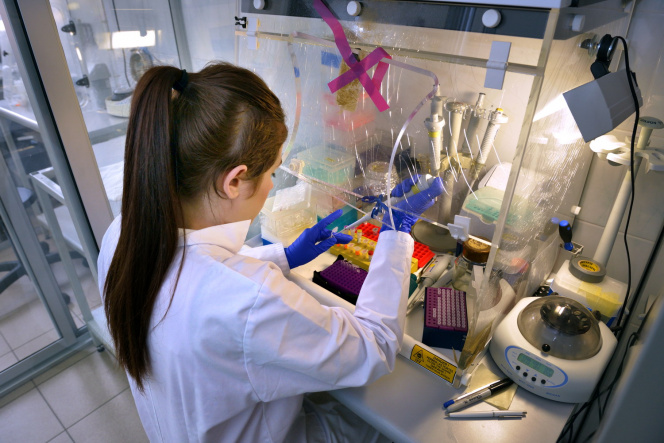
- Health and Life Sciences: Developing the health sector, with a particular focus on e-health and biotechnology.
- Direct Investments and Spatial Planning: Attention was drawn to the shortage of investment plots in the core of the metropolis (e.g., in Gdynia). The solution is to adopt a coherent metropolitan approach to spatial planning in cooperation with smaller municipalities, involving partners such as the Pomerania Development Agency (ARP), the Pomeranian Special Economic Zone (PSSE), and the Ombudsman for Small and Medium-Sized Enterprises.
- Scaling and Internationalization of Local Business: Noting the decline in the number of medium-sized enterprises over the last 10 years, the Commission intends to develop mechanisms supporting micro and small businesses in expanding into foreign markets.
pic. PG
Summarizing the meeting, members of the Commission unanimously emphasized that all recommendations must be based on "hard" (concrete) premises that can be directly implemented by municipalities within the framework of the future metropolitan association, while ensuring they do not overlap with the competencies of the voivodeship (regional) government.