News
Breaking the mold: How Pomerania is diversifying its economy
Modern office buildings filled with software developers are the typical image when picturing a Polish technology hub. But not in the Metropolitan Area. According to the latest KPMG and Invest in Pomerania report, "GBS Next Stop: Tricity 2026”, this coastal region is building its economic power on a synergy of four pillars.
Driven by offshore wind
Out of all the investment sectors currently active in Pomerania, offshore wind energy might represent the most significant opportunity for the coming decade. Poland aims to achieve 6,000 MW of offshore wind capacity by 2030. This undertaking requires well prepared operational facilities, a robust supply chain, and advanced management software, all of which are actively concentrating in the Tricity area.
The most prominent example is the Baltic Power project, a joint venture between ORLEN Group and Northland Power, representing an investment of nearly 4.73 billion euros. Located 23 kilometers from the coastline, this farm will feature 76 turbines of 15 MW each, delivering a total capacity of 1,200 MW. With commissioning planned for 2026, the first dedicated operational and service base has already been established in Łeba. For the IT sector, this is far more than a green public relations talking point. Wind farms are massive data generators that require predictive analytics, and grid management solutions, creating enormous demand for local software engineering capabilities.
The Gateway to Europe
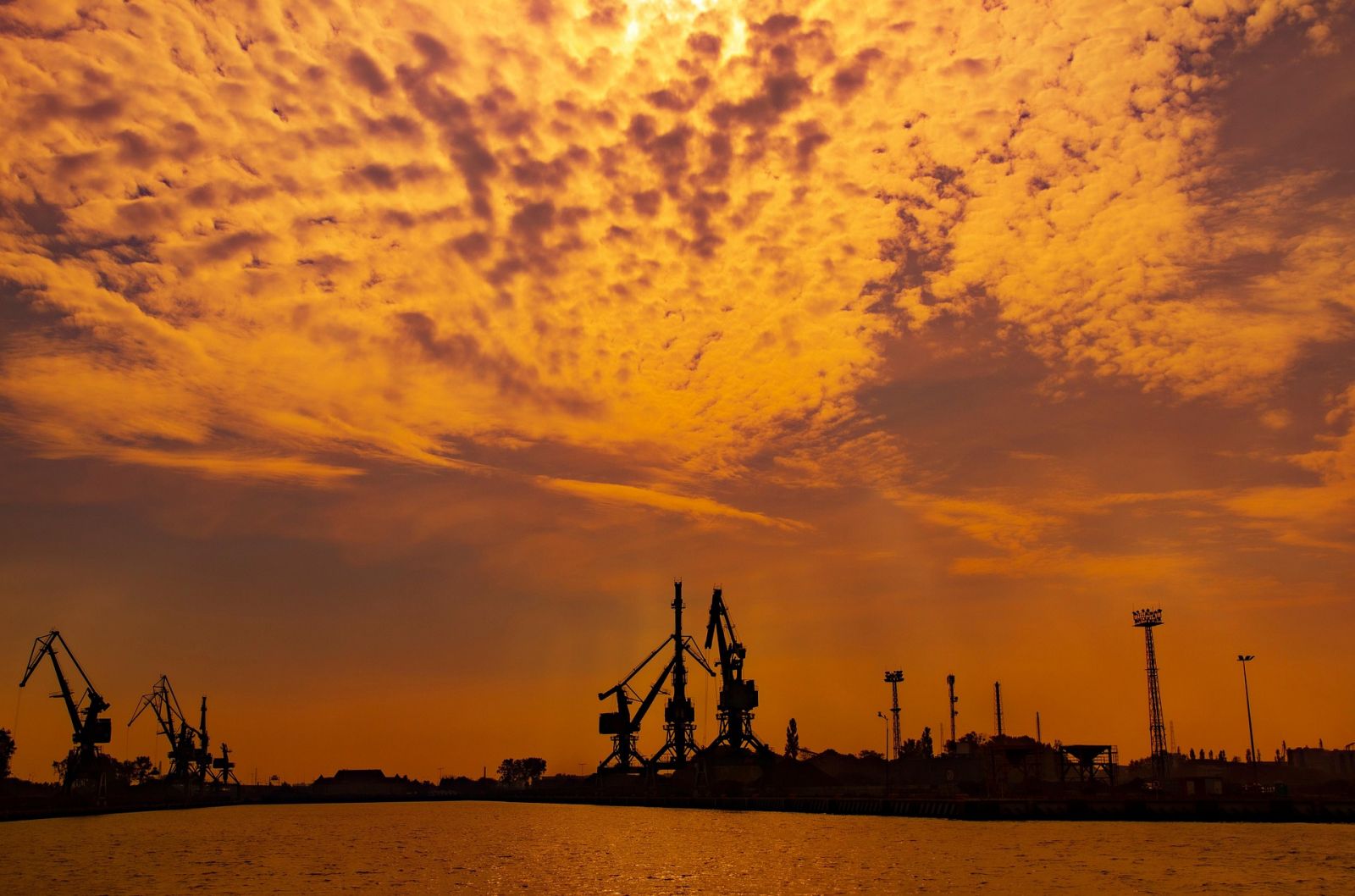
Maritime infrastructure serves as the historical and economic foundation of the region, but today's shipyards and ports are highly technological enterprises. The dual-port complex of Gdansk and Gdynia handles nearly three-quarters of all Polish seaborne cargo traffic. The Port of Gdansk secured a competitive advantage through its deepwater container terminal, making it the only facility on the Baltic Sea capable of accommodating the largest oceanic vessels without draft restrictions.
Concurrently, the Port of Gdynia handled 77.4 million tons of cargo in 2024, achieving a 24 percent increase in net profit. Liquid fuels accounted for 51 percent of this volume, highlighting the critical role of the Gdansk Naftoport in securing energy transit for Central European countries amidst geopolitical shifts. Traditional large-scale manufacturing has successfully pivoted toward precision engineering. The CRIST Shipyard in Gdynia illustrates this transition by specializing in highly complex installation vessels for the offshore sector. Furthermore, the Baltic Port of New Technologies, established on the former grounds of the Gdynia Shipyard, has evolved into a modernized industrial campus supporting maritime, offshore, and logistics companies.
The Unlocking
What truly attracts global capital is the fusion of this heavy industry with top-tier research and development. Tricity currently accounts for approximately 11 percent of Poland's total IT and digital talent pool, employing over 45,000 specialists, with nearly 30,000 working directly in the business services sector.
The most exciting trend highlighted in the report is the region's pivot toward Deep Tech and semiconductors. In Pruszcz Gdanski, 500 hectares of fully serviced land have been secured specifically for large-scale high-tech investments. Local authorities have already signed a memorandum of understanding with Taiwanese partners to open cooperation pathways in the semiconductor field, strategically aligning with the European Chips Act investment wave. The region already hosts massive hardware players, including Intel, which operates its largest European Union R&D center in Gdansk with over 2,000 employees focusing on artificial intelligence and machine learning. Operating alongside them are innovators like Solidigm, developing enterprise-grade solid-state drives and storage solutions that are critical for modern AI data centers worldwide.
Strategic Takeaways
Tricity has long moved past its reputation as merely a summer resort or a destination for low-cost outsourcing. The region has reached a level of structural maturity where distinct sectors mutually drive each other's growth. When deploying capital today, companies seek stability, resilience, and diversification. Through its maritime supremacy, energy transformation, and formidable engineering foundation, Tricity stands as one of the most promising and shock-resistant business ecosystems in Central and Eastern Europe. As the KPMG report proves, the next stop for capital seeking high returns from advanced technologies is firmly located on the Baltic coast.