News
Gdańsk: Europe’s Strategic Hub for Space Security and Defense
Gdańsk: Europe’s Strategic Hub for Space Security and Resilience
Gdańsk is actively seeking to host the European Space Agency (ESA) Centre for Crisis Response, Resilience and Defence, positioning itself as one of the leading candidates in Poland. The city is competing with other Polish locations to secure this strategic investment, which would strengthen Europe’s capabilities in space-based security, resilience, and defence.
More information about Gdańsk’s candidacy and its strategic vision is available at: https://www.esaforgdansk.pl/
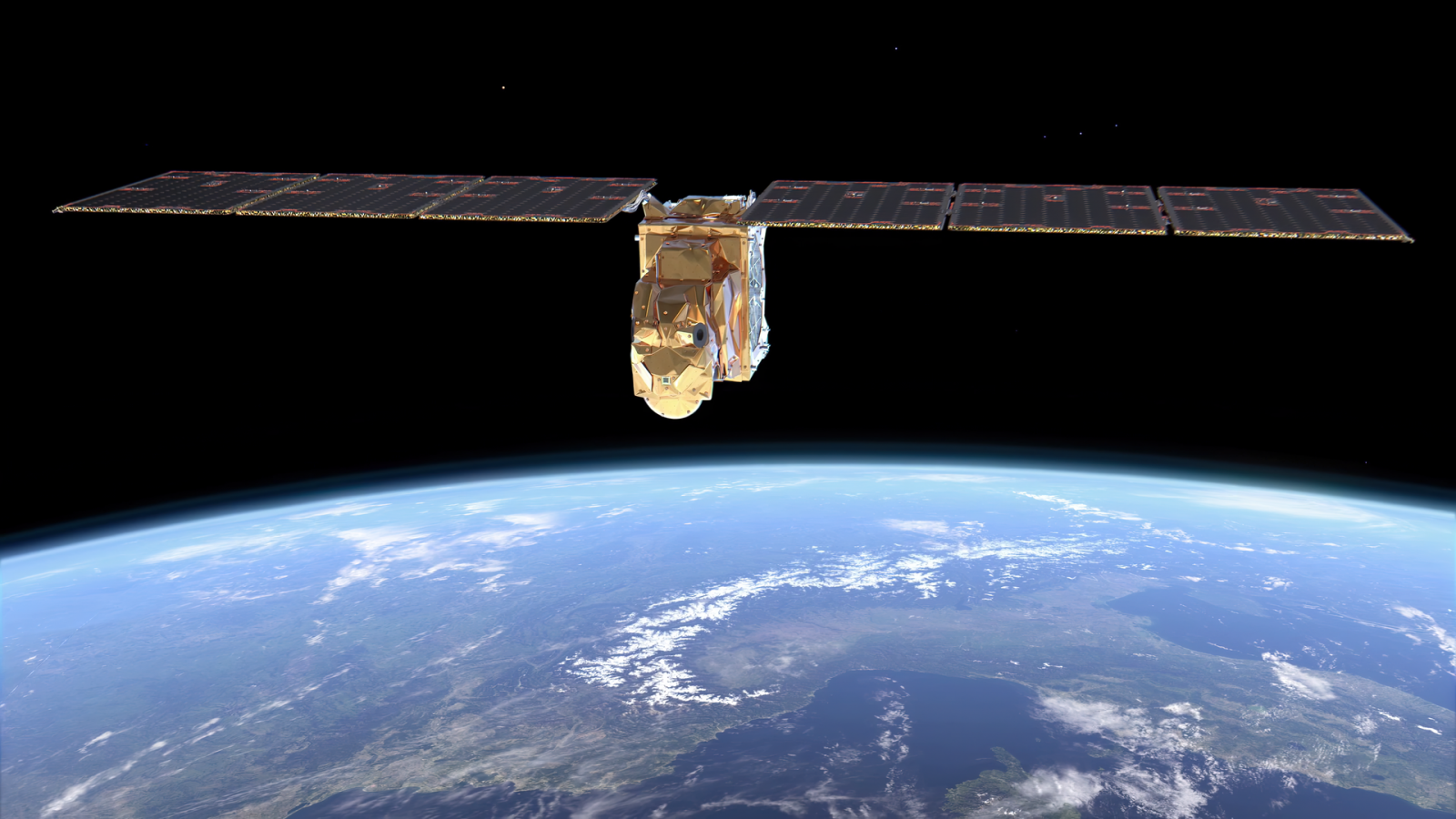
photo: contains modified Copernicus Sentinel data (2025), processed by ESA
A 500-Year Legacy of Science and Innovation
Gdańsk’s ambitions in the space sector are rooted in a scientific tradition spanning over 500 years. From Nicolaus Copernicus’s visit in 1526 to the groundbreaking astronomical work of Jan Heweliusz, who built world-class observatories on the rooftops of Gdańsk’s tenement houses in 1641, the city has long served as a gateway to exploration and discovery.
This legacy continues today through institutions such as the Gdańsk University of Technology, established in 1904, and a strong academic environment with more than 90,000 students annually. Together, they form a solid foundation for the development of advanced technologies and space-related innovation.
A Growing Centre of Poland’s Space Industry
Since Poland joined the European Space Agency in 2012, the national space sector has developed dynamically. The Polish Space Agency (POLSA), headquartered in Gdańsk, plays a key role in coordinating national activities and supporting international cooperation in the space sector.
By 2026, the city will also host one of only three ESA Business Incubation Centres (ESA BIC) in Poland, providing support for the commercialization of space technologies and the development of innovative, dual-use solutions.
A Unique Synergy of Sea and Space
One of Gdańsk’s greatest strengths is its unique combination of maritime heritage and advanced technological capabilities. As a NATO security hub and a natural base for European Defence Fund (EDF) projects, the region integrates traditional shipbuilding with modern dual-use technologies, including autonomous systems, underwater security, and environmental monitoring.
This synergy is supported by advanced infrastructure such as the “Kraken” supercomputer (13.6 petaflops) and the Baltic Sea Monitoring Centre, which provides critical data for the Navy and Border Guard. The proposed ESA Centre would further enhance the integration of satellite data, analytics, and monitoring systems to support both civilian and defence operations across Europe.
A 320 Billion PLN Innovation Ecosystem
The planned ESA Centre is closely linked to Poland’s largest strategic investments, including offshore wind farms and a future nuclear power plant. Together, these projects form an innovation ecosystem valued at approximately PLN 320 billion.
Space-based technologies will play a crucial role in ensuring monitoring, resilience, and protection of this infrastructure, contributing to energy security and long-term regional stability.
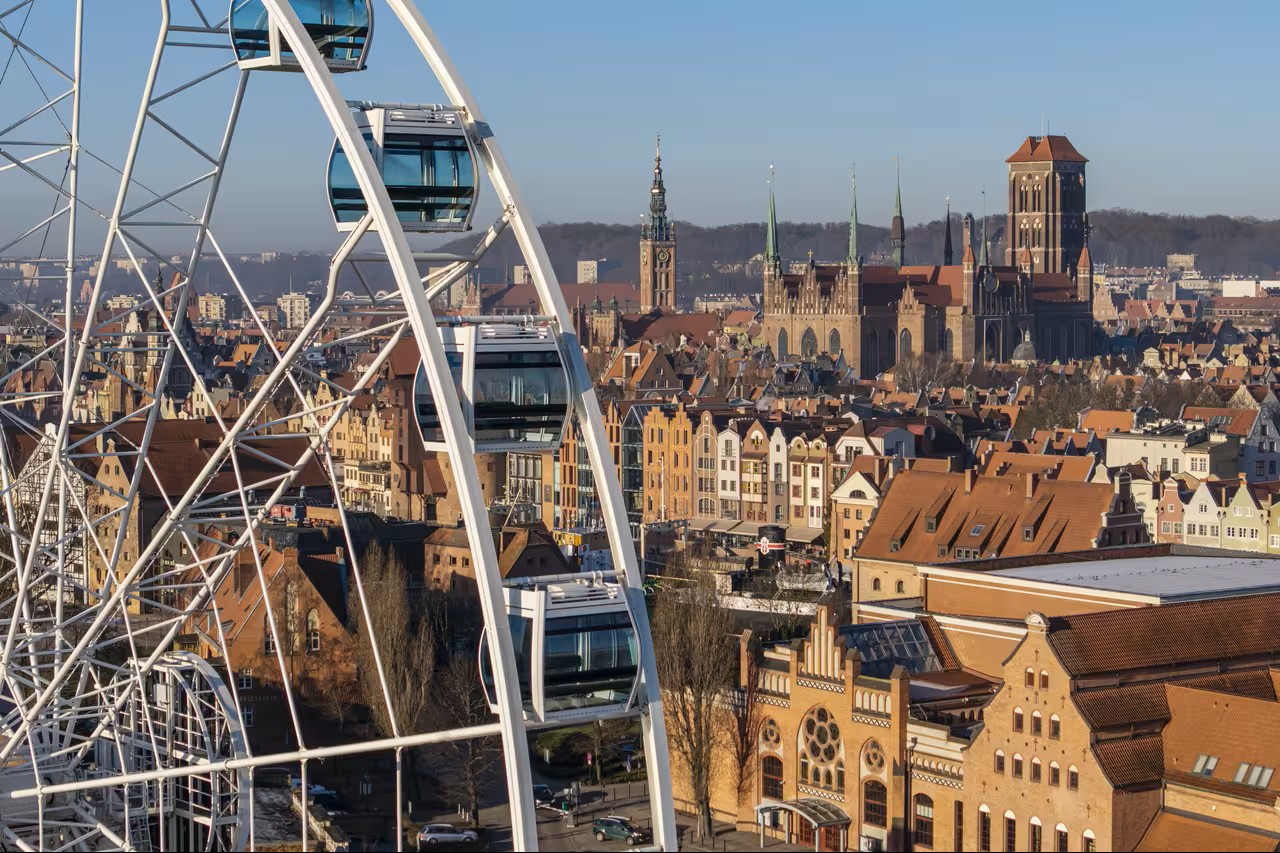
photo: Piotr Wittman / www.gdansk.pl
Talent, Infrastructure, and Connectivity
Gdańsk benefits from a highly developed research and innovation ecosystem, including leading universities, engineering centres, and a strong ICT and business services sector. With more than 90,000 students and a growing technology workforce, the city offers significant potential for the development of future space and defence programmes.
At the same time, Gdańsk offers excellent quality of life. It is ranked as the fourth best city to live in Europe, combining dynamic economic growth with a high standard of living, access to international schools, and a strong work-life balance. The city’s modern airport handled 7.3 million passengers in 2025, while traffic congestion remains significantly lower than in other major Polish cities.
Support for Gdańsk’s Candidacy
A decision on the location of the Polish branch of the European Space Agency is expected in the near future. The Gdańsk-Gdynia-Sopot Metropolitan Area fully supports Gdańsk’s candidacy, recognising the city as the most suitable and well-prepared location for this strategic initiative.
The city stands out as a leading candidate for cooperation, offering a unique combination of scientific heritage, modern infrastructure, and a dynamic innovation ecosystem.
A Strategic Vision for Europe’s Future
Hosting the ESA Centre in Gdańsk would bring tangible benefits, including enhanced protection of critical infrastructure, the creation of high-quality jobs, and accelerated economic development.
By combining centuries of scientific tradition with modern innovation and industrial capacity, Gdańsk presents itself as a strong and credible candidate in Poland’s competition to host this key European facility.
Gdańsk is ready to play a significant role in shaping Europe’s future in space - while helping to secure its future on Earth.