News
On Metropolitan Governance in Europe. Gdańsk-Gdynia-Sopot Metropolitan Area Delegation at the METREX Meeting in Brno
How can we identify the best model for managing a metropolitan area? In Brno, representatives of metropolises associated within METREX discussed solutions that strengthen cooperation between local governments and support the development of metropolitan regions.
.jpg)
photo: LinkedIn/MECOG-CE
METREX is a cooperation network bringing together more than 50 European metropolitan areas, including the Gdańsk–Gdynia–Sopot Metropolitan Area. Last year, METREX representatives visited Gdańsk and Sopot, this time, discussions on the future of metropolitan governance took place in Brno, Czechia. The working meeting was attended by Michał Glaser, CEO of the Gdańsk–Gdynia–Sopot Metropolitan Area, and Tomasz Nadolny, Head of Economy and Digitalization. The event included a summary of the MECOG-CE project and workshops dedicated to metropolitan governance models in Europe.
During the workshops, participants worked in international teams, analyzing various approaches to organizing metropolitan cooperation — from models strongly regulated by the state to solutions based on voluntary agreements between local governments. The discussion focused on how to build effective metropolitan structures that are durable, efficient, and accepted by local stakeholders.

photo: LinkedIn/MECOG-CE
Which cooperation models work best?
One of the key conclusions of the meeting was that the most sustainable outcomes come from gradually formalizing cooperation — starting with bottom-up initiatives by local governments and later strengthening them with appropriate legal frameworks. Examples of effective solutions included the Stuttgart Region, Greater Manchester, and the Barcelona Metropolitan Area, where long-term local cooperation has led to the creation of strong structures with clearly defined competencies.
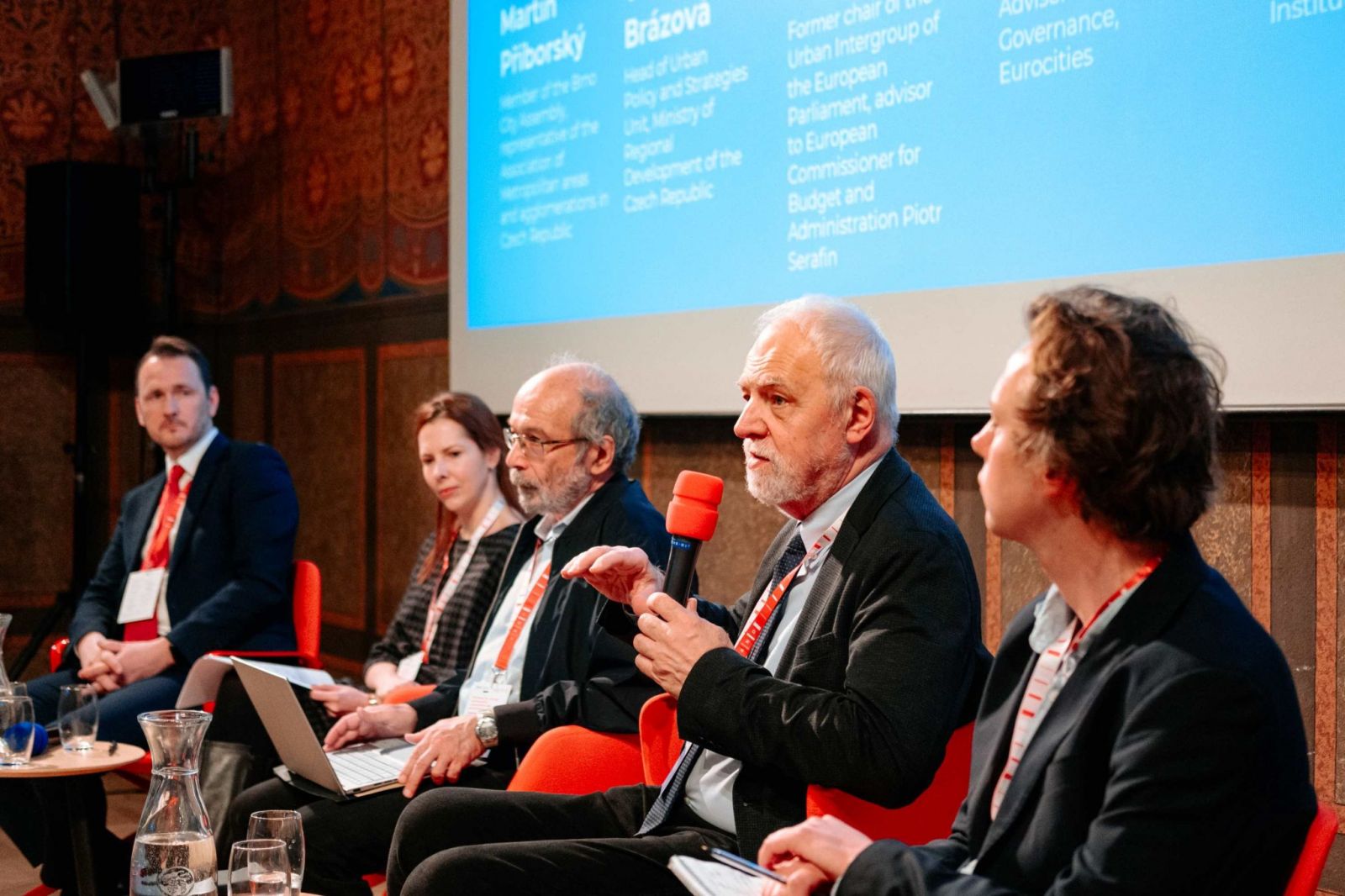
photo: LinkedIn/MECOG-CE
Shared challenges of European metropolitan areas
The meeting also highlighted the challenges faced by metropolitan areas operating without a fully established legal framework. This applies both to Brno and to many Polish metropolitan areas which, like the Gdańsk–Gdynia–Sopot Metropolitan Area, base their cooperation on voluntary associations of municipalities. In this context, the Górnośląsko-Zagłębiowska Metropolia remains an important point of reference — the only metropolitan area in Poland with legally defined competencies.
METREX meetings provide the Gdańsk–Gdynia–Sopot Metropolitan Area with an opportunity to exchange experiences with partners from across Europe and to observe how different cooperation models influence the development of transport, spatial planning, climate policy, and public services in metropolitan regions. They also serve as an important reference point for ongoing discussions about the future direction of metropolitan cooperation in Poland.
More information about METREX and European metropolitan cooperation can be found at: https://www.eurometrex.org/