News
30 Years of METREX – Spring Conference 2026 in Helsinki
30 Years of METREX – Spring Conference 2026 in Helsinki
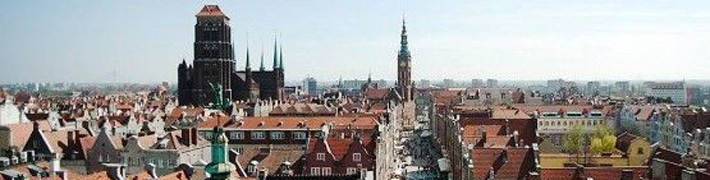
The METREX network for metropolitan professionals has reached its 30th anniversary, and from June 10 to 12, 2026, its spring meeting took place in Helsinki. This event brought together experts and officials from European metropolises under the main theme: "From Polycrisis to Multi-benefits – Promoting Holistic Sustainability in Spatial Planning." Throughout the conference, participants focused on answering how to balance rapid climate change and biodiversity protection with ongoing urban growth.
.jpg)
photo: Tomasz Nadolny, Gdańsk-Gdynia-Sopot Metropolitan Area
Practical Infrastructure
The first day, held at the Urban Environment House (KYMP), was highly practical and centered around expert working groups. The morning kicked off with a session by the Nordic-Baltic Network expert group, while the afternoon allowed participants to dive into the details of the Crown Bridges (Kruunusillat) Megaproject. Helsinki representatives Niko Setälä and Heikki Salmikivi presented this largest bridge-and-tram project in the city's history, which radically alters the capital's spatial structure by connecting new areas like Kruunuvuori and Laajasalo to the city center via sustainable transport. Following the presentation, the discussion centered around implementation challenges and effective public communication strategies for such massive infrastructure investments.
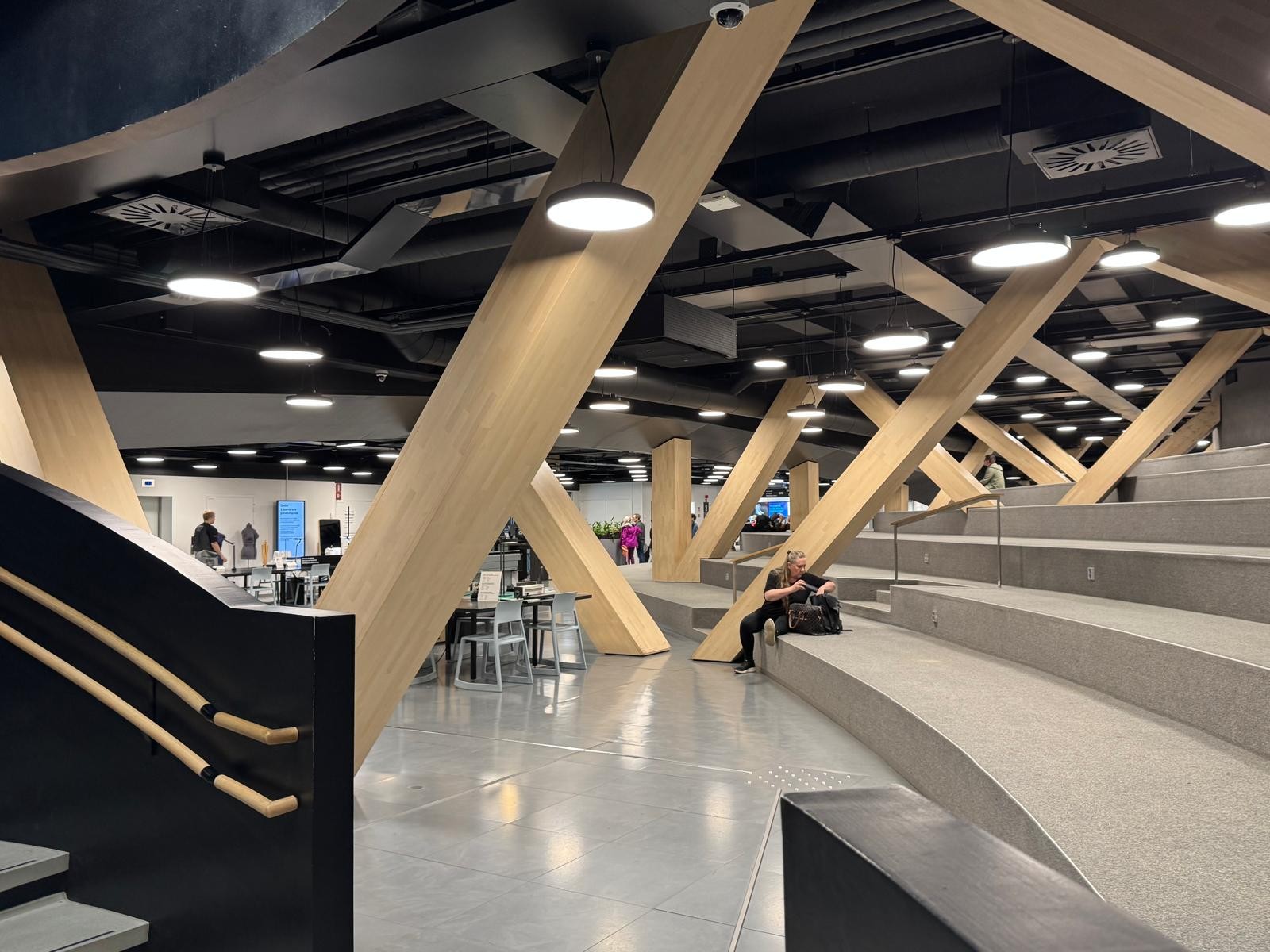
photo: Tomasz Nadolny, Gdańsk-Gdynia-Sopot Metropolitan Area
Future Planning
The main conference day took place in the stunning Oodi Central Library, hosting some of the event's most inspiring presentations. Miliza Ryöti from HSY demonstrated how the Helsinki region utilizes data regarding housing land reserves, tree canopy cover, and carbon balance to shape MAL plans, which integrate spatial planning, housing, and transport. Next, Ville Lähde, a researcher from BIOS, delivered a thought-provoking lecture on the limits of our perception regarding modern phenomena. He warned against a "tunnel vision" focused exclusively on carbon and energy, reminding the audience that a sustainable transition is not about maintaining the exact same lifestyle with different tools. Lähde shared a brilliant metaphor, noting that in an era of continuous crises, planning is not like driving on a straight road, but rather "sailing against the wind during a storm," where one must adapt to surprises without losing sight of the destination.
Further expanding on these concepts, Alpo Tani and Heidi Huvila outlined Helsinki’s new "Sustainable KYMP" approach, which shifts traditional environmental management toward "strong sustainability"—a model where ecology sets hard boundaries for both economics and social life. Another highlight was an interactive and brave peer review session of the VISIO plan, where colleagues from Gothenburg, Oslo, Harjumaa, and Riga were asked to critically evaluate the Uusimaa region's long-term spatial plan up to 2050.
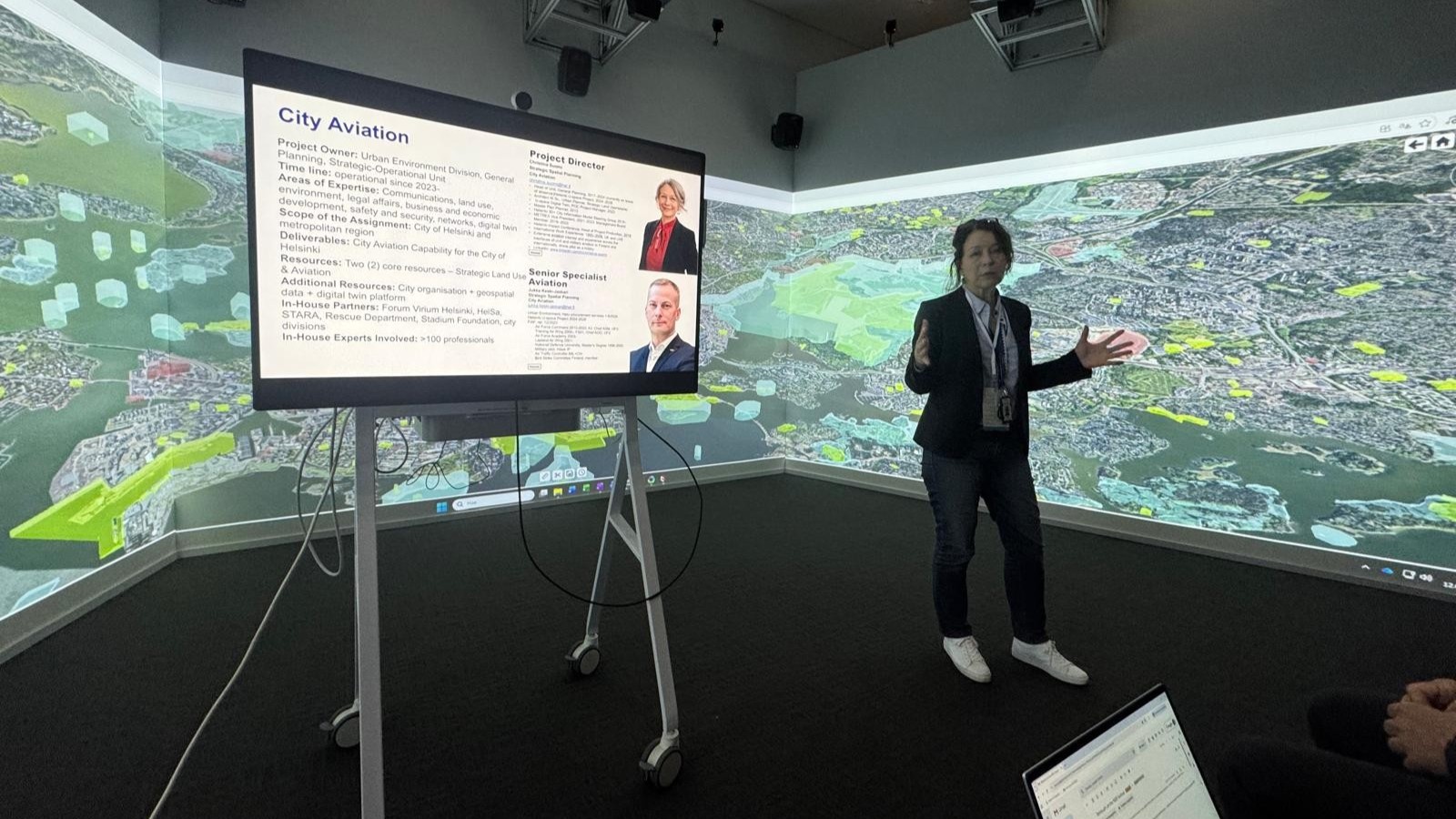
photo: Tomasz Nadolny, Gdańsk-Gdynia-Sopot Metropolitan Area
Modern cooperation
International perspectives enriched the debate further; the Vice-President of Wrocław, Łukasz Medeksza, presented the "Blue-Green Wrocław" strategy alongside the city's decarbonization and climate adaptation efforts, while Daniele Zucchelli from Milan discussed a network-based approach to managing territorial complexity amid overlapping crises. Looking back at past decades, Martin Aarts, former head of planning for Rotterdam, showed how the phrase "climate change is urban change" has entirely redefined urban planning. He noted that modern urban policy has become a team sport, where planning no longer aims to dominate life, but to initiate it.
The closing panel, featuring Pia Tynys from Helsinki, Dagmar Keim from Amsterdam, and Claire Boisset from Lyon, concluded that it is time to move from theory to execution. Dagmar Keim stressed the need for "daring to do," while Pia Tynys highlighted the absolute necessity of breaking down silos through the "quintuple helix" model of collaboration between the public sector, academia, business, citizens, and NGOs, noting that no single organization can tackle systemic change alone.
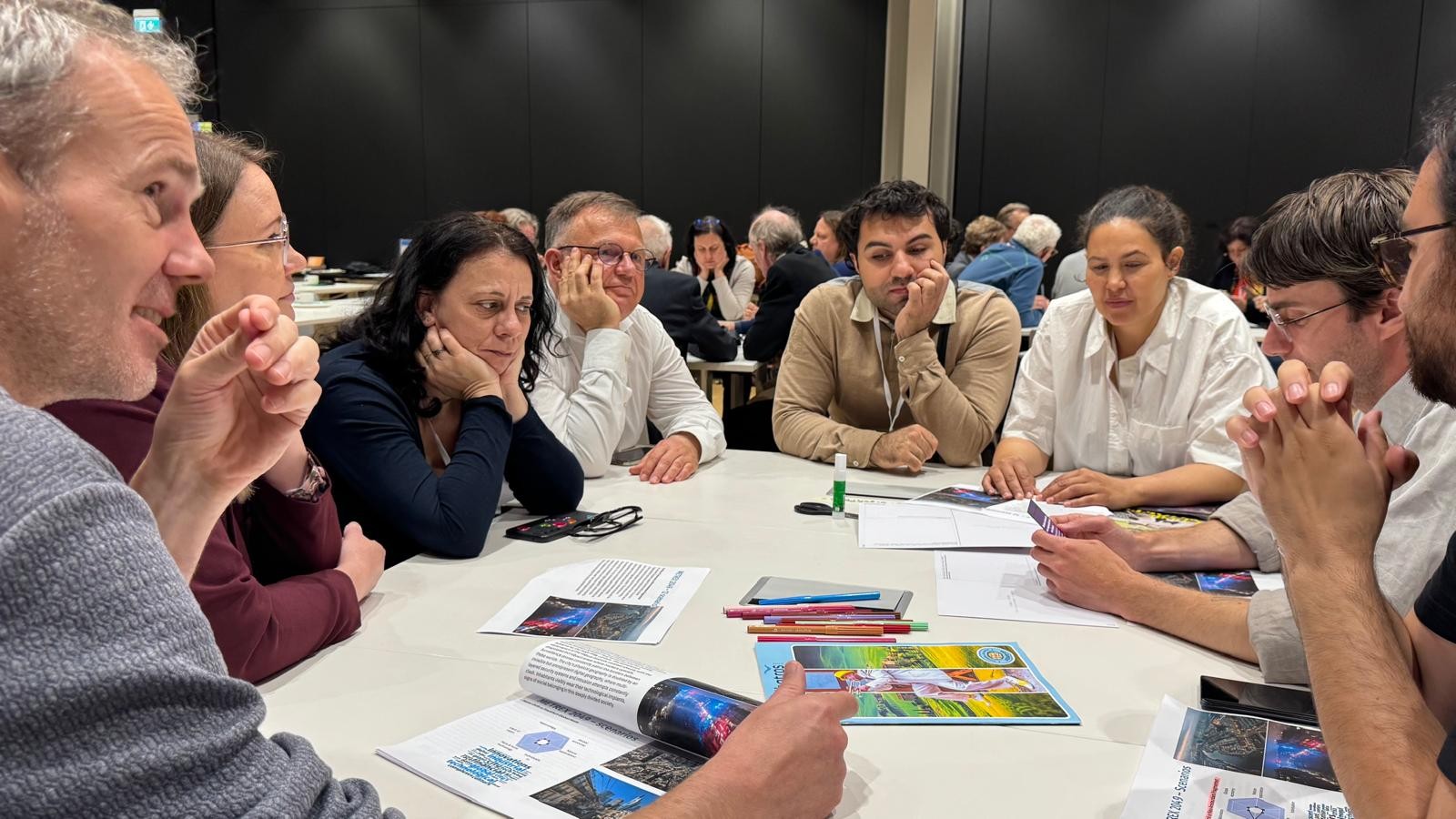
photo: Tomasz Nadolny, Gdańsk-Gdynia-Sopot Metropolitan Area
Logistics of the future and multi-benefits
Beyond the formal METREX General Assembly, the final day offered a fascinating look into the future of urban logistics. A 3D demonstration showcased the planning of low-altitude airspace (U-space) for drone traffic in Helsinki. The presentation by Christina Suomi and Jukka Keski-Jaskari illustrated how the rise of urban aviation will soon impact metropolitan structure, safety, and the environment. The day concluded with afternoon study visits to developing dense districts like Kalasatama, allowing participants to see the real-world fruits of these discussed strategies.
This event clearly demonstrates that in the face of a continuous "polycrisis," European metropolises must abandon rigid roadmaps in favor of flexible, adaptive planning. The most valuable takeaway is the principle of "multi-benefits," meaning that every single intervention in urban space, whether it involves green facades or circular economy facilities, must solve multiple problems simultaneously, from temperature regulation and biodiversity support to directly improving the daily quality of life for residents.