
News
Gdańsk Emerges as a Regional Hub for AI and No-Code Innovation
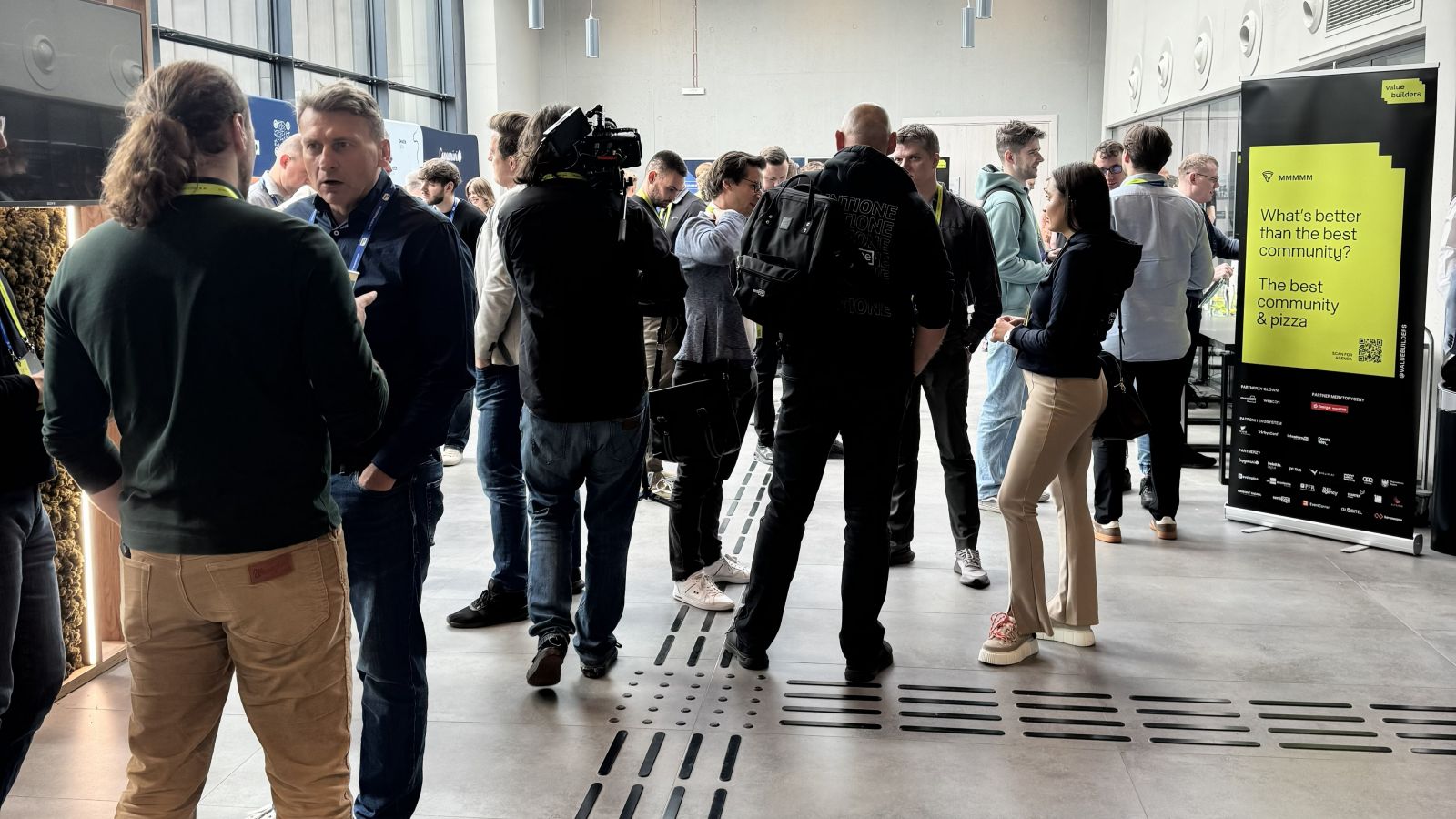
The fourth edition of the No-Code & AI Event has further confirmed Gdańsk’s growing role as one of Central and Eastern Europe’s leading centers for digital innovation. Held in Gdańsk, the conference brought together more than 600 participants and 50 experts representing the technology, business, startup, and public sectors. According to the organizers’ website (nocodepoland.com), the event focused on artificial intelligence, automation, and no-code and low-code technologies - trends that are rapidly transforming the way digital products and services are designed, developed, and launched. Entrepreneurs, developers, marketers, designers, founders, and public officials gathered to discuss the future of AI-driven economies and the ongoing democratization of technology development.
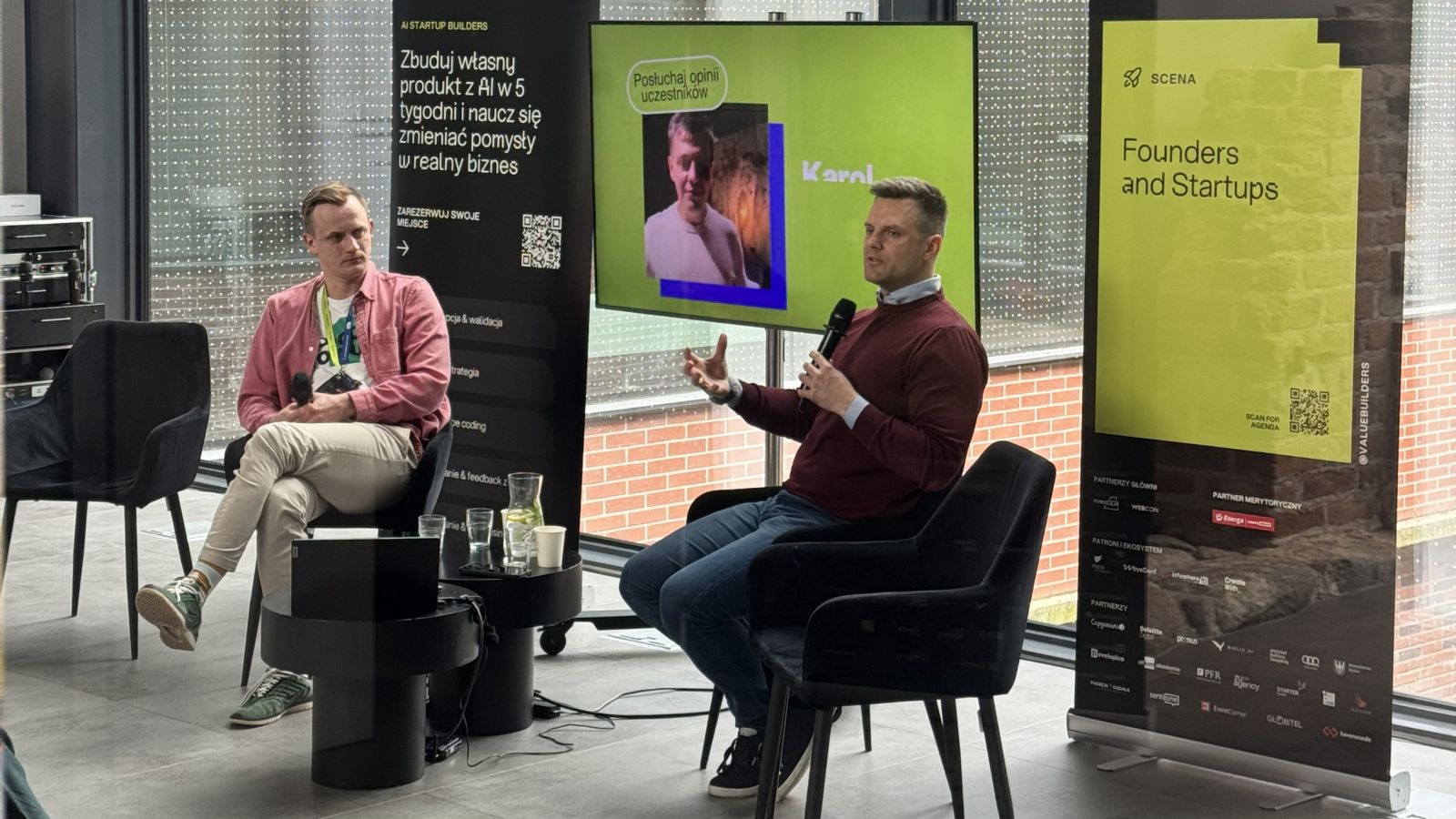
The conference also reflected the broader transformation of Gdańsk itself. Once primarily associated with heavy industry, logistics, and IT outsourcing, the city is increasingly positioning itself as a modern technology hub centered around AI, automation, digital entrepreneurship, and innovation ecosystems. Following the success of internationally recognized technology events such as Infoshare, the No-Code & AI Event represents a new wave of digital innovation focused on accessibility, speed, and the removal of traditional technological barriers.
One of the conference’s key themes was the rapid rise of no-code development. The significance of this transformation lies in the fact that creating applications, automations, and digital systems no longer necessarily requires advanced programming skills or large development teams. Modern AI-powered platforms allow users with little or no traditional coding knowledge to build sophisticated digital products using ready-made components, integrations, workflows, and AI models. Instead of writing thousands of lines of code manually, users can effectively assemble business logic visually and automate complex processes with minimal technical expertise. This dramatically lowers the barrier to entry not only for startups and entrepreneurs, but also for analysts, marketers, educators, consultants, public officials, and countless other non-technical professionals who previously depended entirely on software developers.
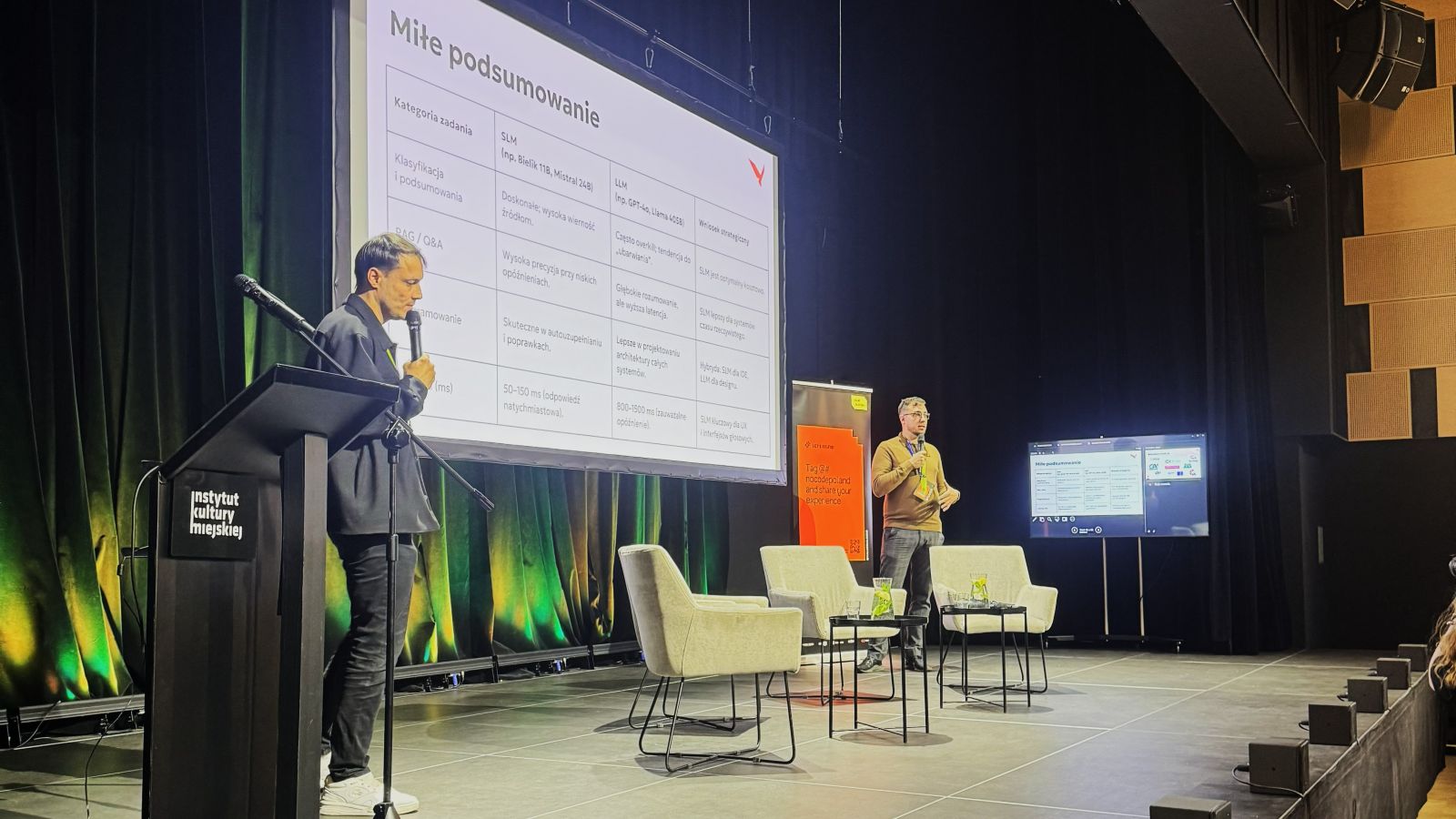
Another major trend explored during the event was the emergence of so-called “vibe coding” - a new development approach powered by generative artificial intelligence. In this model, users simply describe what they want in natural language - for example, “create a booking platform with online payments, maps, and notifications” - while AI systems generate the application’s code, interface, workflows, and operational logic almost instantly. As a result, the role of developers is beginning to evolve significantly. Increasingly, they are becoming AI architects, supervisors, and system operators rather than manually coding every individual function or feature themselves. In many cases, this approach can substantially reduce the need for multiple employees during the early stages of building and testing new ventures, products, or services.
The changes discussed during the conference point to a technological shift comparable to the emergence of the internet, smartphones, or cloud computing. The time required to build digital products is shrinking from months to days - and in some cases even hours - allowing small teams to achieve results that previously required entire IT departments or large software companies. Automation is expanding far beyond manufacturing and repetitive office work, increasingly affecting creative industries, communication, analytics, customer service, and decision-making processes. Artificial intelligence is no longer viewed merely as a specialist tool reserved for programmers or engineers; it is rapidly becoming a universal “digital coworker” accessible to virtually everyone.
As a consequence, a completely new layer of the economy is beginning to emerge. People without formal technical education are now able to create their own applications, internal systems, automations, and digital services independently. This transformation could ultimately prove to be as significant as the introduction of Excel for finance or WordPress for internet publishing - only developing much faster and driven far more aggressively by artificial intelligence.
The growing popularity of these technologies demonstrates how rapidly AI is reshaping the global digital economy while simultaneously strengthening Gdańsk’s position as one of the most dynamic innovation ecosystems in the region. It is increasingly likely that these developments will fundamentally transform the rules of business, entrepreneurship, and the labor market itself, even if the full scale of that transformation cannot yet be completely measured.
Source: nocodepoland.com
Read more: nocodepoland.com