News
More Than Support: Ukraine Recovery Conference 2026 in Gdańsk
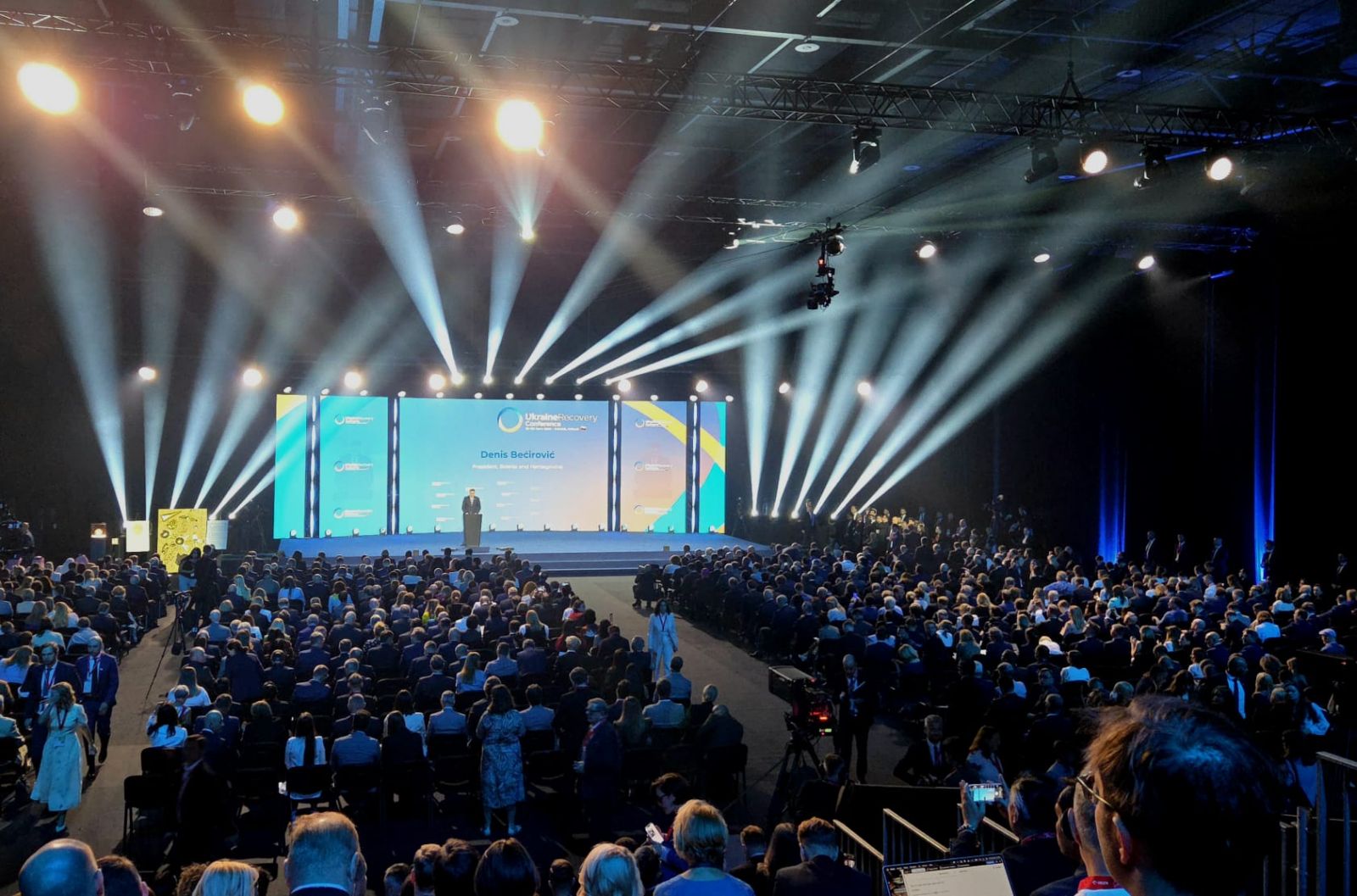
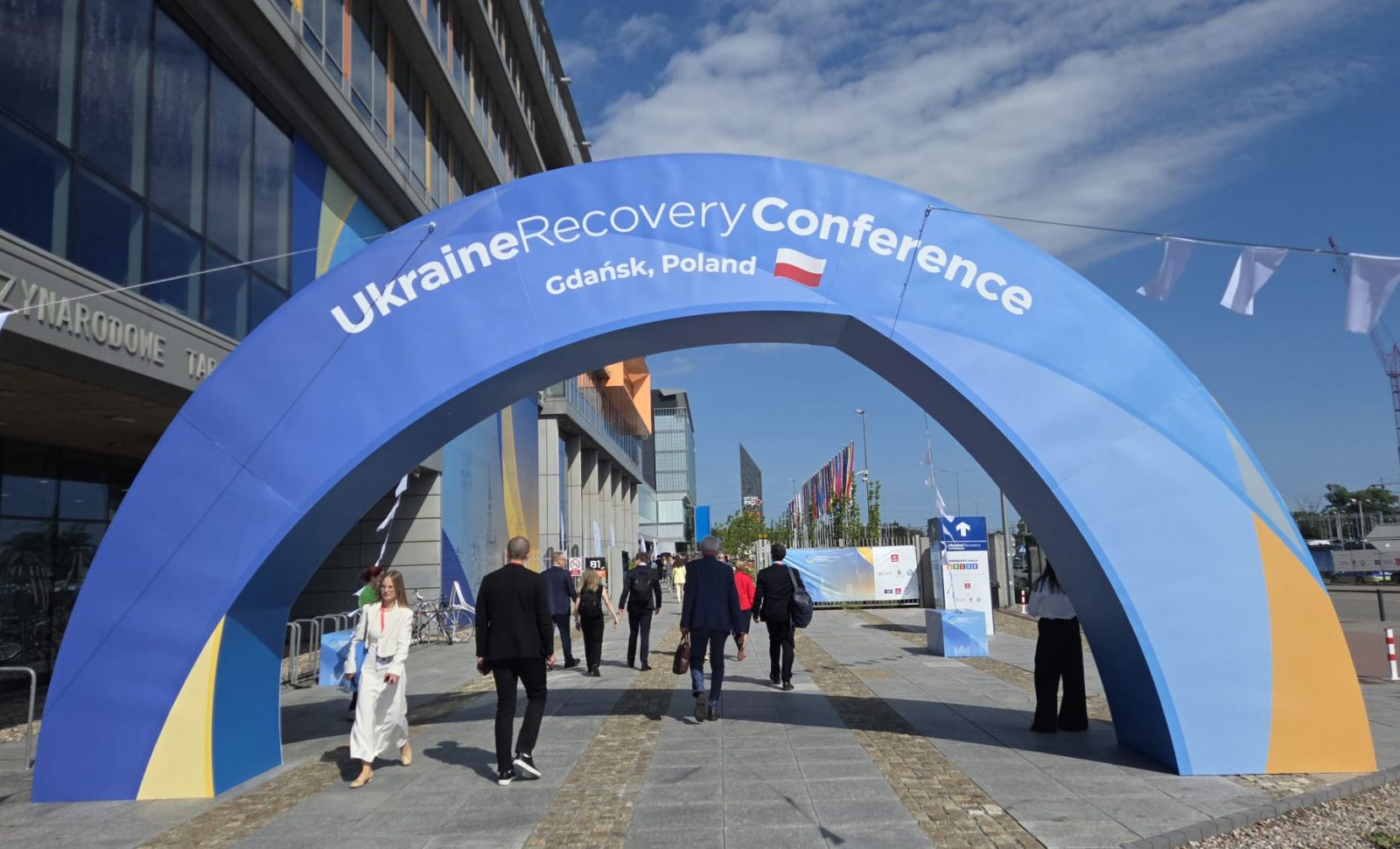
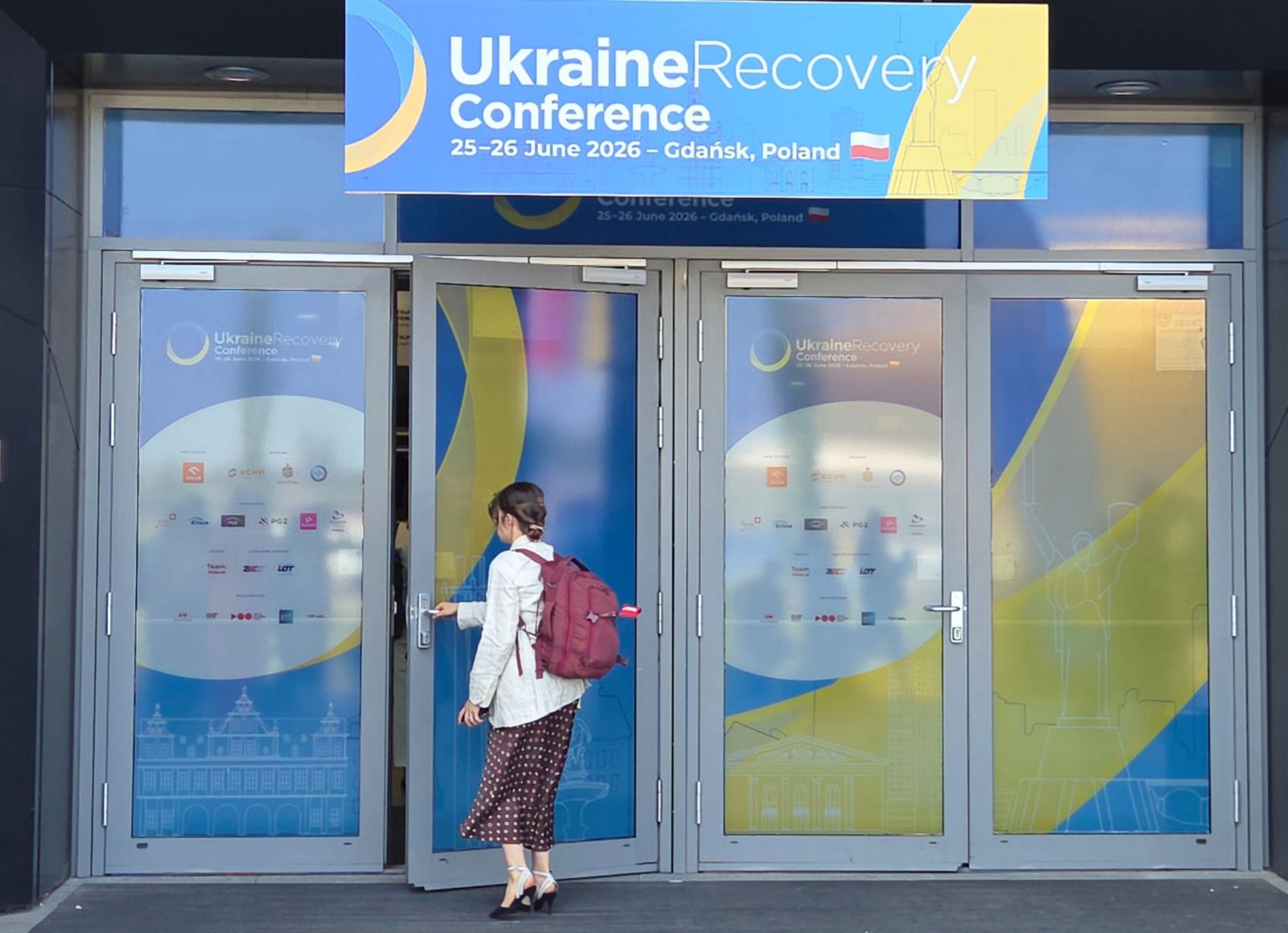
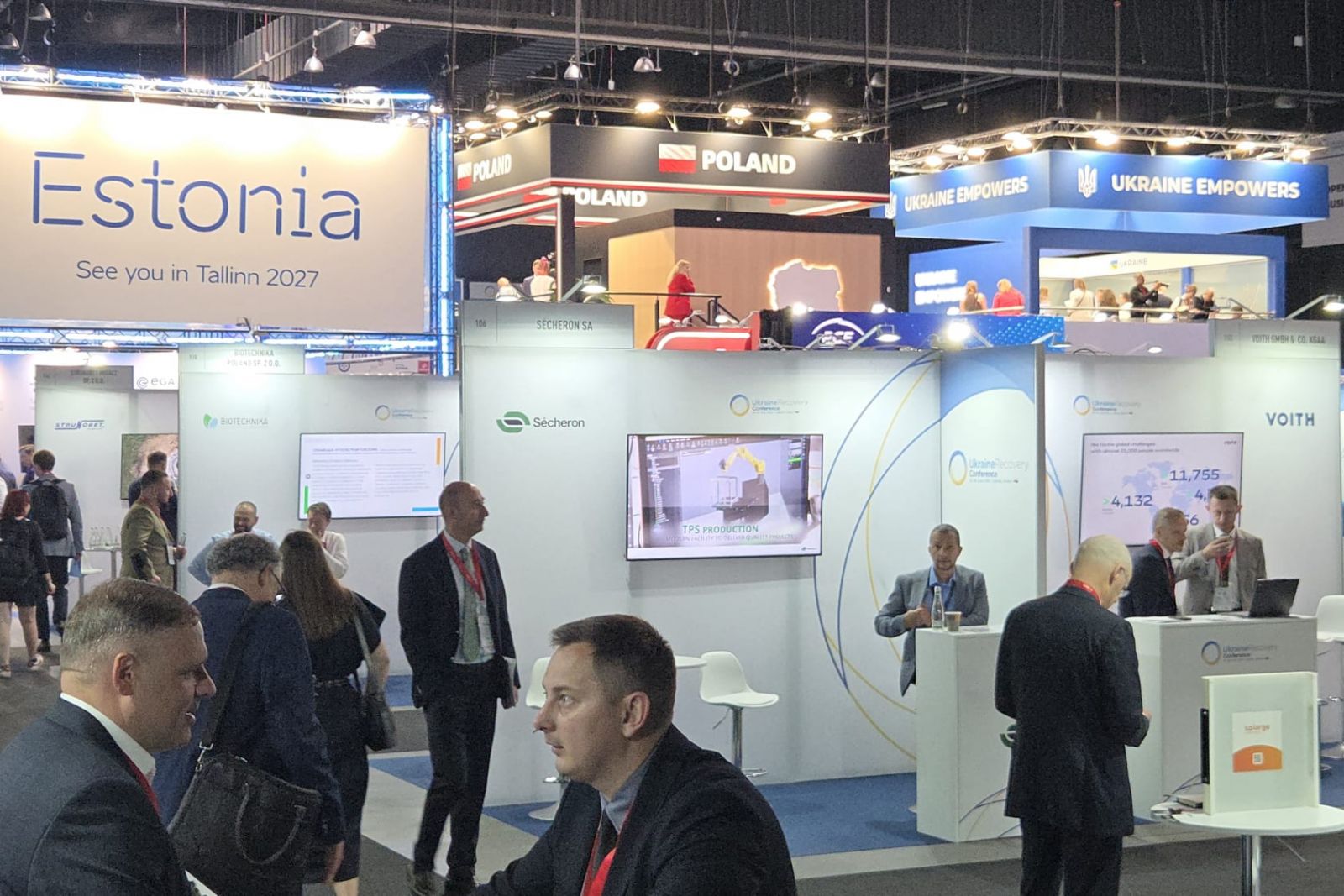
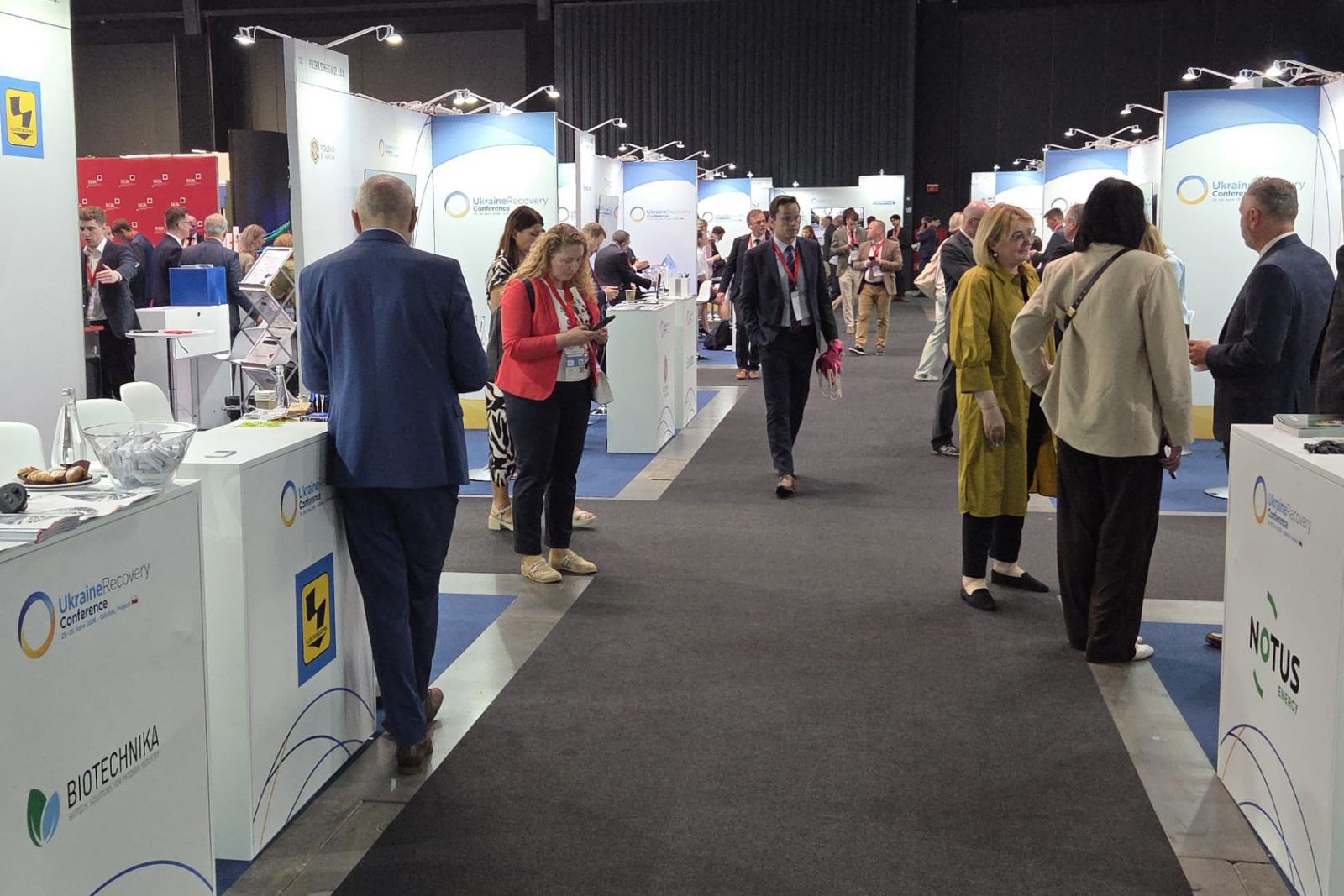
Over 7,000 people from nearly 70 countries visited AmberExpo in Gdańsk on June 25 and 26 to participate in the Ukraine Recovery Conference (URC) 2026. Global geopolitics have arrived in our region, so the key question is: what does this mean for Pomerania?
The Miracle of Rebuilding
"The residents of Gdańsk have shown that solidarity is not just history, but also character," said European Commission President Ursula von der Leyen during the opening ceremony.
"Those of you who already walked around Gdańsk yesterday, as well as those who will have the opportunity to do so today, can see what the miracle of reconstruction means," said Polish Prime Minister Donald Tusk on the first day of URC 2026.
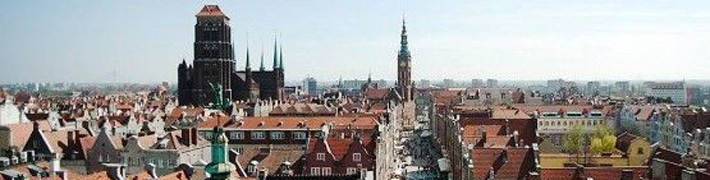
These words hold a special dimension from Pomerania's perspective. Guests visiting the Gdańsk stand often asked how a city that suffered 90% destruction during World War II could rise from the ruins to host URC 2026. It is not just a matter of excellent exhibition infrastructure. It is a symbol that rebuilding from the ashes is possible, and its foundation is always a strong local community.
A Two-Way Street
Although the metropolitan region, Pomerania, and Poland possess valuable know-how that will be essential for rebuilding Ukraine after the conflict ends, we can learn a lot from the Ukrainians themselves. The fact that they can solve heating and energy problems on the fly was a frequent topic of conversation during the panels. In particular, technologies based on interconnectors and energy storage came up repeatedly during the debates. Last winter, energy shortcomings and Russian attacks on energy and heating infrastructure prompted the search for new solutions. At a time when Pomerania is undertaking ambitious projects regarding energy diversification and security, such extreme experiences can serve as a valuable lesson.
The technological creativity of Ukrainians no longer surprises anyone. Forced into a multi-year war, they look for cheap technological solutions on the battlefield. Drones produced by Ukraine enjoyed immense interest from visitors, who highlighted their simplicity and cost-effectiveness in production combined with high combat efficiency.
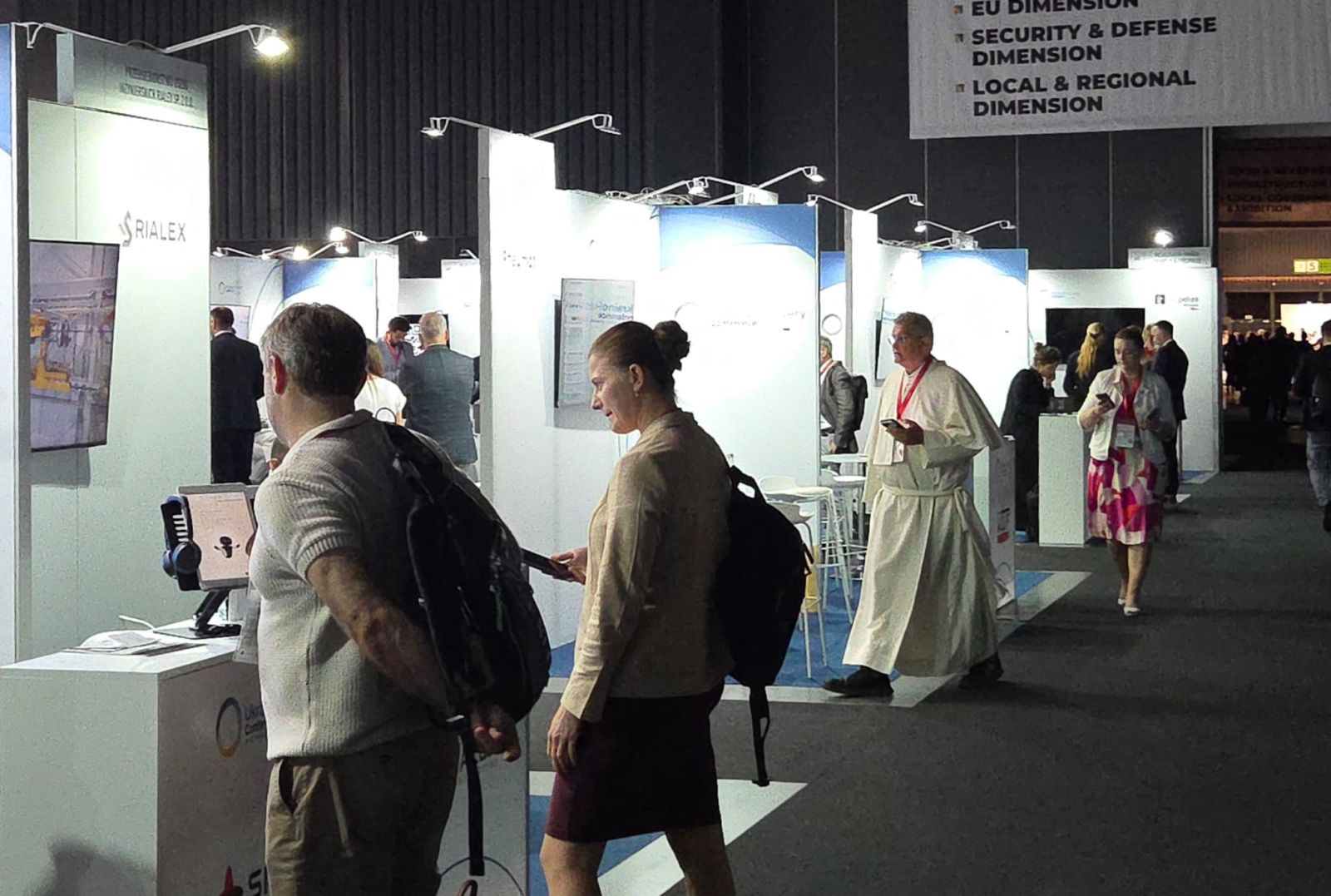
What can our region offer? In addition to the aforementioned energy and heating solutions, we also have know-how in inter-municipal cooperation. The European Alliance of Cities and Regions for the Reconstruction of Ukraine states in its declaration how important regional policy and good governance are. Local governments will be crucial on the path to reconstruction and potential accession to the European Union. Similar to Poland's accession, improving the administrative and fiscal functions of local governments and aligning them with EU requirements will be one of the conditions Ukrainian officials will have to face. The experience of Pomeranian municipalities in acquiring EU funds, thermal modernization of buildings, building sustainable transport, or modern waste management is a highly sought-after commodity. City-to-city partnerships are the fastest way to help Ukrainian municipalities adapt to EU standards. Our mistakes and successes from the last 20 years of transformation are their roadmap.
"The most important thing for me is the local government dimension, and it's wonderful how much we can learn from each other," said the Mayor of Gdańsk, Aleksandra Dulkiewicz, while thanking the city's residents "for their understanding, but also for the atmosphere they create."
The topic of an atmosphere conducive to good business appeared on the sidelines of the conference, mainly from foreign partners.
"This is created by the residents," noted Mayor Dulkiewicz.
The Emotional Backdrop
In the days leading up to the URC, there was talk of a cooling of relations between Poland and Ukraine due to unresolved issues regarding the ethnic cleansing of Poles in the 1940s, namely the Volhynia massacre. And while it was not an easy time for talks between our countries, from a business perspective, the URC can be called a success.
"Emotions pass, even if they are very justified. Business will still function well," said Civic Coalition (KO) MP Paweł Kowal, adding: "Polish-Ukrainian relations will always be emotional, but things will move forward. We share a common border, we have 14 billion euro in exports to Ukraine. Especially when it comes to food products."
According to data provided by the organizers, around 200 agreements were signed during the URC for a total amount of approximately 10 billion euro. Furthermore, there were around 7,000 publications about the conference, which reached 50 million people, as reported by Mayor of Gdańsk Aleksandra Dulkiewicz.
It is also worth noting how many important figures visited our region over the past two days: President of the European Commission Ursula von der Leyen, President of the European Council Antonio Costa, EU Commissioner for the Economy Valdis Dombrovskis, Chancellor of Germany Friedrich Merz, Prime Minister of the Czech Republic Andrej Babis, President of Lithuania Gitanas Nauseda, President of Bosnia and Herzegovina Denis Bećirović, Prime Minister of Albania Edi Rama, Prime Minister of Bulgaria Rumen Radev, Prime Minister of Estonia Kristen Michal, Prime Minister of Finland Petteri Orpo, Prime Minister of Latvia Andris Kulbergs, Prime Minister of Ukraine Yuliia Svyrydenko, and many other dignitaries.
From an economic perspective, the balance of power shows that thanks to the ports in Gdańsk and Gdynia, as well as excellent connectivity with the rest of the country and Europe, the metropolis is becoming a key logistics hub for this process.
For Pomeranian local governments, this is a clear signal: we must create a favorable business climate in our municipalities. This means developing investment areas for logistics and warehouse centers and supporting our local companies, from the construction industry to the transport sector, in entering the supply chains for international consortia that are already dividing up the Ukrainian reconstruction effort.
Stronger Together
The conclusions from the two days of URC 2026 are clear. However, it is an illusion to think that a single, medium-sized municipality from Pomerania will win a multi-million tender to rebuild infrastructure in the Kyiv or Lviv regions. The big players are in a different league.
This is exactly where a massive role for OMGGS (Gdańsk-Gdynia-Sopot Metropolitan Area) emerges. Our task for the near future should be strong synergy: networking local business, creating a metropolitan competency base of companies and local government experts ready to operate in Ukraine, and jointly applying for international funds.
Conferences have a tendency to be short-lived. The guests will leave Gdańsk, but the geography and economic opportunities will remain. Whether Pomerania seizes this moment now depends on our local authorities and cooperation across administrative divisions.