
News
Tricity ports becoming Europe’s Front Door
Driven by geopolitical shifts and continuous development, Pomeranian ports are emerging as key regional hubs. The latest figures clearly demonstrate this momentum, signaling that the sector's expansion is far from over.
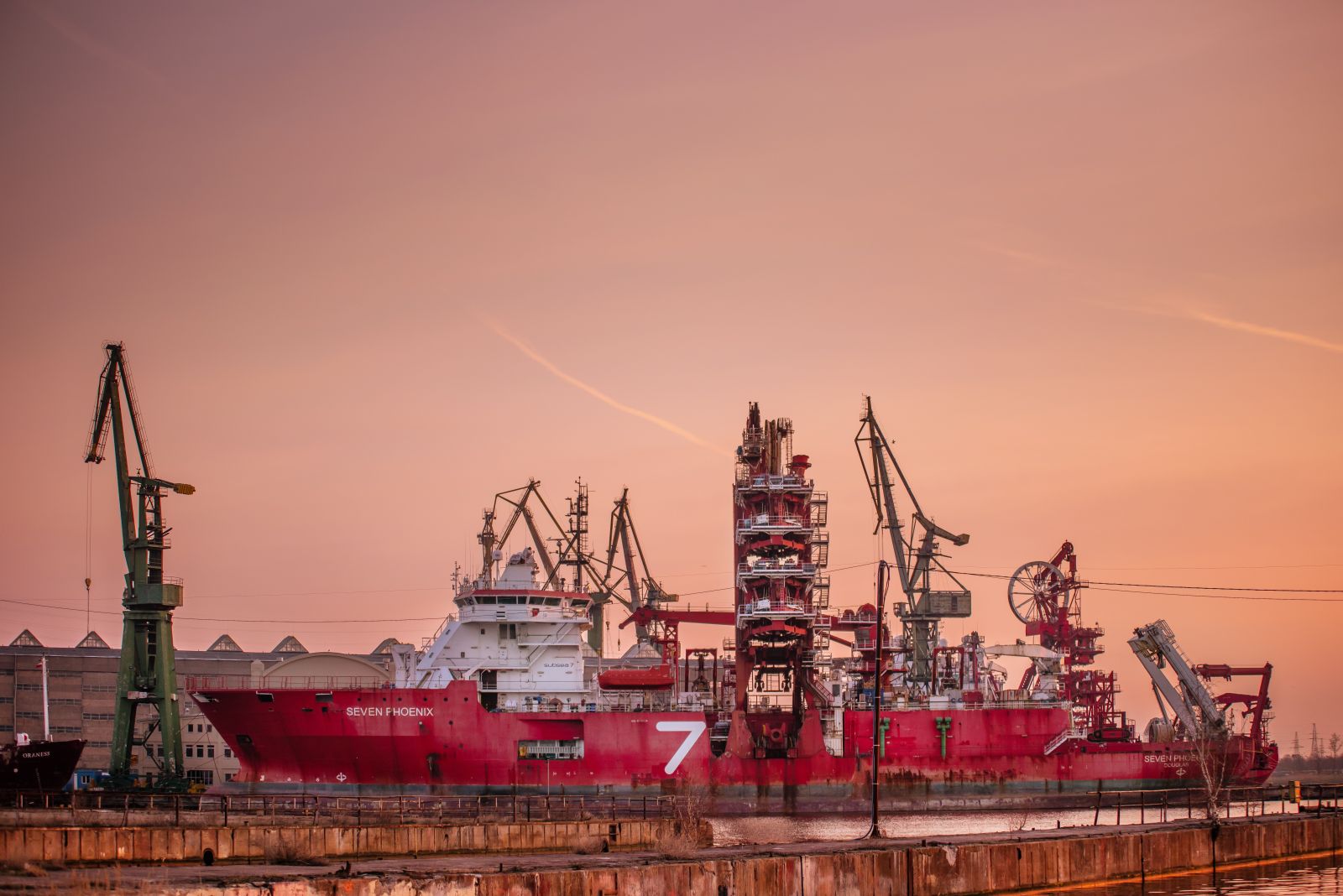
pic. Pexels/Piotr Arnoldes
A new path
Last October, a container ship called Istanbul Bridge pulled into Gdańsk’s Baltic Hub terminal after a journey most cargo ships never attempt. It had left the Chinese port of Ningbo-Zhoushan on September 23rd and sailed north, along the Russian and Scandinavian coast, through what’s known as the Arctic Silk Road. Reaching Felixstowe in the UK just 18 days later, then Rotterdam, then Hamburg, before finally docking in Gdańsk. A trip that normally takes 40 days through the Suez Canal took roughly half that. Mostly it delivered Chinese made cars.
But this was merely a test run, blazing the trail that will lead to future voyages. What will make it a trade route is launching a regular seasonal connection along this path in 2026. The ship’s operator working with Polish logistics firm ATC Cargo plans to run this route while the Arctic ice permits it. The idea of such an endeavour and the success of the trial run say a lot. Gdańsk is now a port counted alongside such maritime powerhouses as Rotterdam and Hamburg.
Numbers tell the story
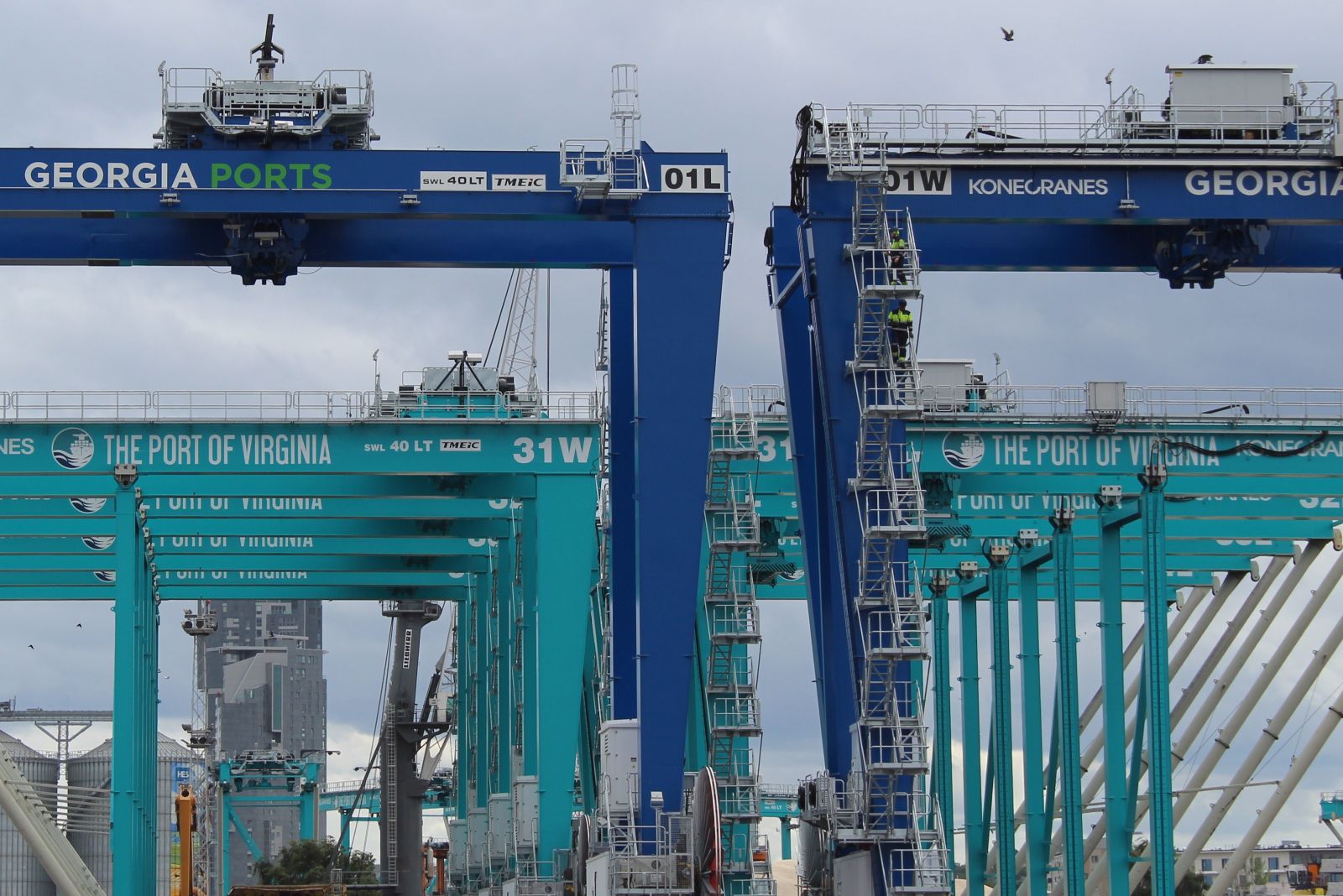
To see how important the Gdańsk’s port has become you need to see the numbers. 41.7 million tonnes of cargo handled in the first six months of 2026 show a 9% growth on the same period last year. Liquid fuels still make up the biggest share with 45% of total cargo moving through the port. But the real growth came from general cargo, up 17% to 15.2 million tonnes, and coal, up 51% to 4.3 million tonnes. The Baltic Hub container terminal alone moved 13.8 million tonnes and just 1.6 million TEU, which is a 23% increase in container volume. A record number of 2193 ships called at the port over the half-year.
The younger city of Gdynia has been also showing strong numbers with over 13.5 million tonnes, up 3.5% with a record 1970 vessel calls. Its growth came mostly from grain and general cargo, with the container tonnage taking a small dip. Between the two, Port of Gdańsk is now one of the largest ports on the Baltic within the EU, and if in the second half of the year the growth trend continues, 2026 could beat 2025’s full-year record of 80.4 million tonnes.
Why this is happening now
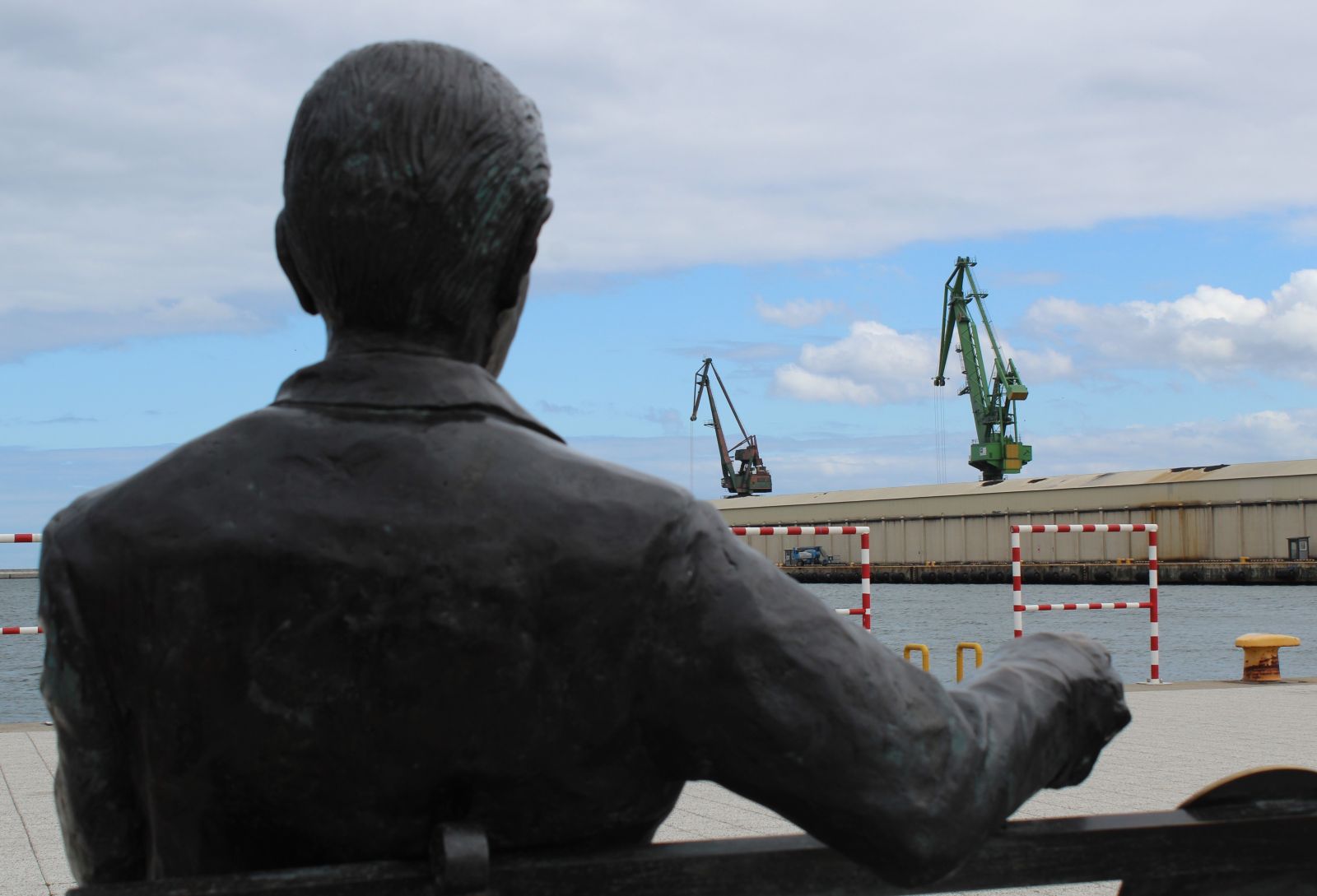
A few things are converging at once, the war in Ukraine and the broader reshuffling of global supply chains have pushed shippers to look for alternatives to routes running through Russia and Belarus. Tricity happens to sit exactly where Baltic shipping lanes meet the overland corridors running into central Europe. At the same time, recent problems that happened on the Suez Canal and the geopolitical instability has made shippers more willing to experiment with other routes, including Arctic, even though the season is short and the ice conditions unpredictable.
Then there’s the infrastructure itself. Gdansk has a new T3 terminal, an expanded Naftoport oil terminal and a t5 terminal under construction and finishing this year for handling offshore wind components. A floating LNG terminal, FSRU, second in Poland after Świnoujście, will come online by 2028. Alongside it, a new Agro terminal built for grain and animal feed export.
Shipping lanes enhanced
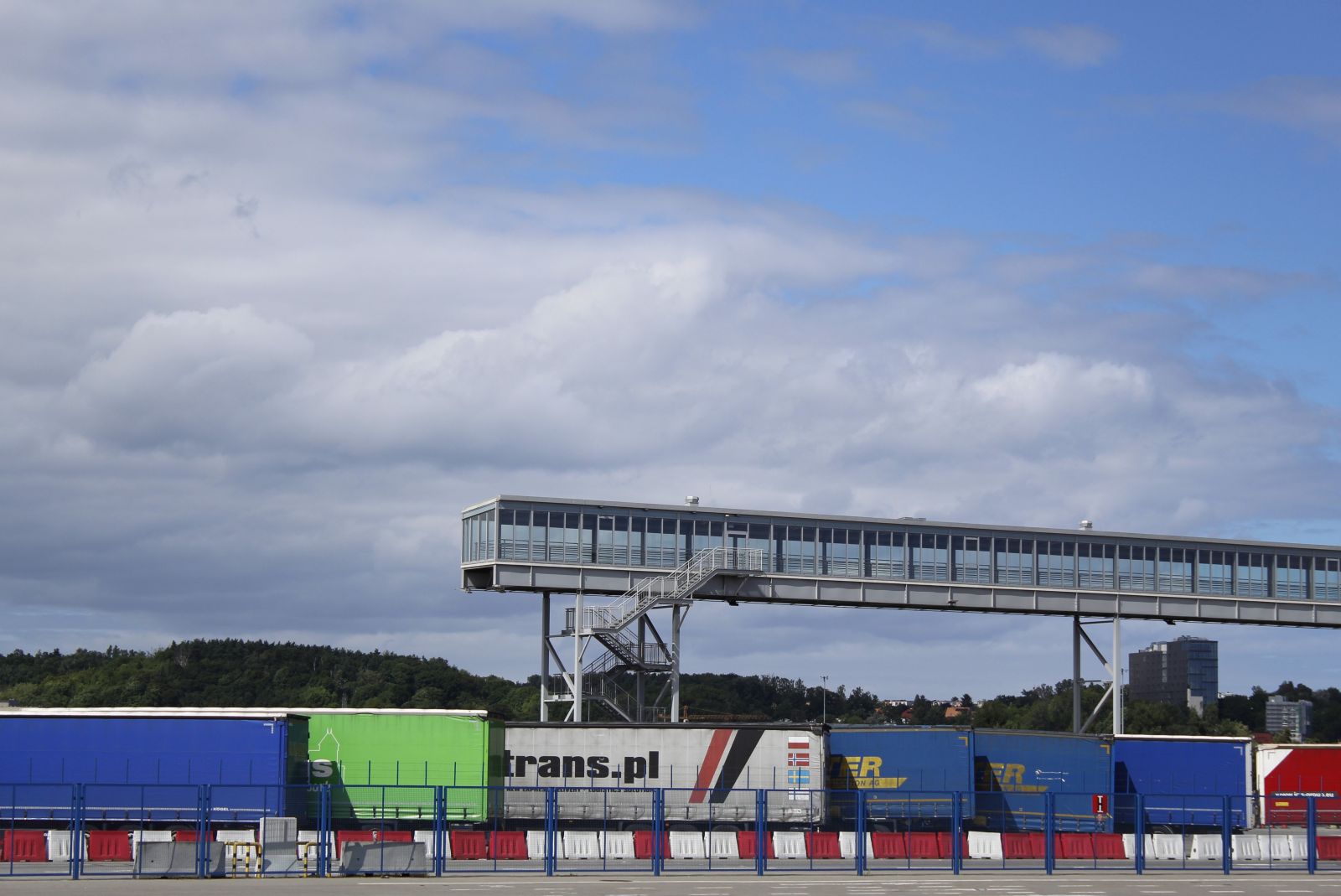
What’s different this time around is how much of the port’s growth is tied to energy and industrial infrastructure rather than pure cargo throughput. The FSRU terminal is being built explicitly to reduce dependence on fuel supply routes from the east. The Agro terminal positions Gdansk as an export point for Polish grain at a moment when the country’s role as a food supplier to the rest of Europe keeps growing. The port is becoming infrastructure that other parts of the economy depend on.
None of these stays inside the port gates. Every extra container or tonne of grain moving through Gdansk means work for freight forwarders, truck drivers, warehouse operators, and the shipyards and subcontractors clustered around the port. It also strengthens the region’s pitch to outside investors. Tricity has deep water access, rail and road links are already in place, and a logistics ecosystem is continuously expanding around the port edges, from Pomeranian Special Economic Zone to new distribution centres going up along the access roads.
The future of Tricity as a genuine node in east-west trade is yet to be seen. These few excellent years are showing growth and potential. The Arctic trade route is seasonal but also a proof of immense possibilities, some of which are yet to be discovered. One thing is for sure, the ports of Gdansk and Gdynia cannot be described only as local infrastructure. They are already an important part of how goods move across Europe, and that role looks set to keep growing.